Guides · Sebastian, Florida
Why Sebastian Is Where It Is
The 1715 Fleet went down here, but the town that rose to meet its history was built on fish, not gold.
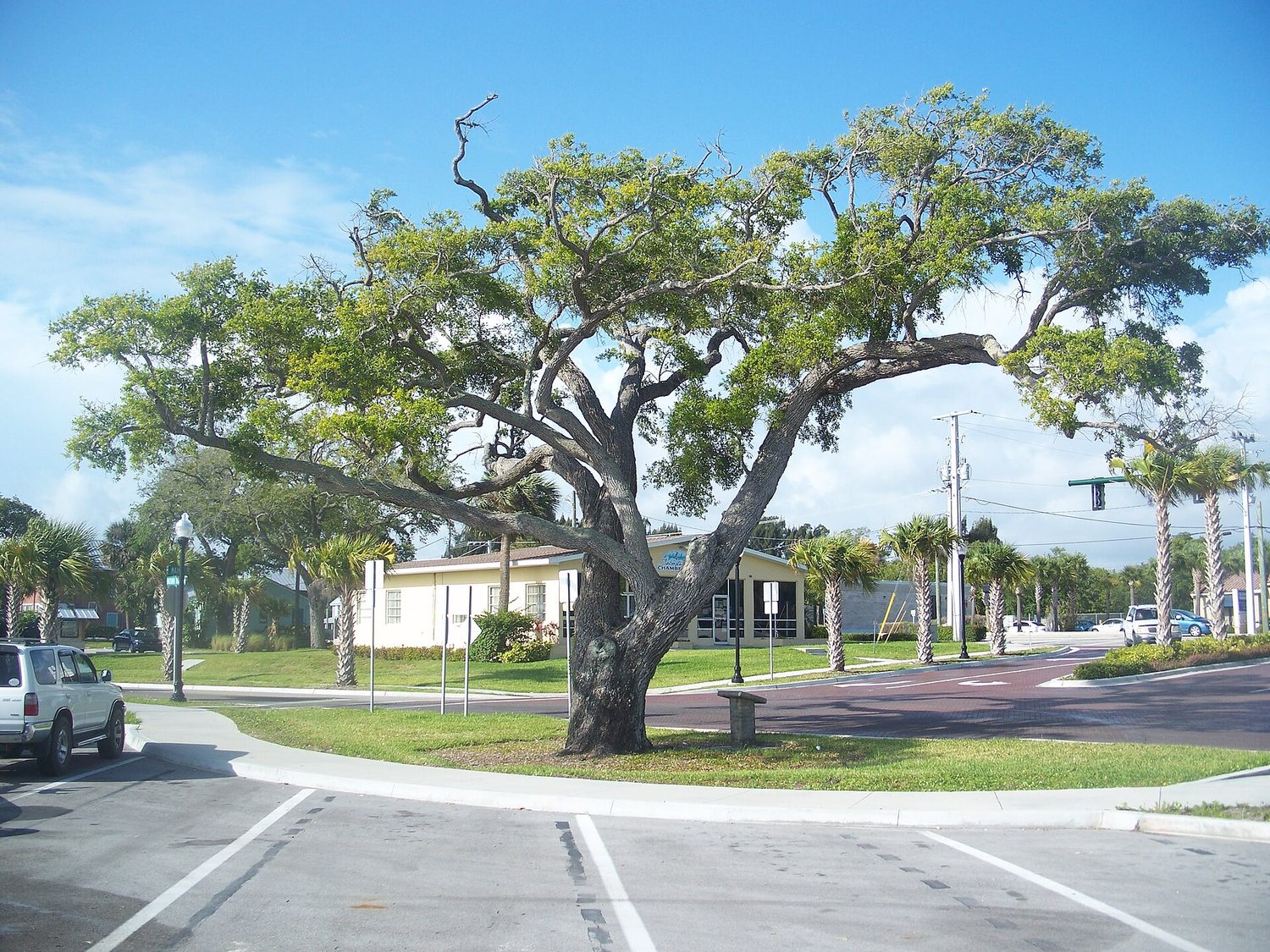
Where the River Meets the Lagoon
Sebastian exists because of water. Before the name, before the municipality, before the treasure, there was a fishing village in the 1870s at the confluence of the St. Sebastian River and the Indian River Lagoon. That narrow seam of salt and brackish water was the highway, the pantry, and the reason anyone stayed. The fish ran. Boats could reach the sea. The land behind it was mostly scrub and palmetto, useful only to those who worked the water.
The settlement was named St. Sebastian, for the saint. The town later dropped the St., but the river kept it. That small clerical distinction says something about the place: practical enough to shed a syllable, stubborn enough to keep the name in the water where it started.
A Slow Incorporation
Sebastian was established in 1882. It took another four decades to become a municipality, incorporated on 6 December 1924, then incorporated as a city on 18 May 1925. That gap is not a footnote. It tells you the place grew without hurry, the way waterfront villages do. People were already living and working there; the paperwork just caught up.
The census figures describe a town that has aged into something particular. Median age is 57.6 years. That is not a young town. It is a town where people arrive, stay, and then stay longer. Median home value sits at $281,700, with a median gross rent of $1,414. The median household income is $68,863. Unemployment runs at 8.5 percent. None of that describes a boomtown. It describes a place that holds what it has.
Of 12,891 housing units, 774 are held for seasonal or recreational use. That is about six percent. Not a resort. Not a ghost town. A working waterfront with a seasonal pulse. Another 1,379 units sit vacant, which in a coastal town often means hurricane repairs, estate settlements, or waiting for the right buyer. The town has 25,759 people, and 29.5 percent hold a bachelor's degree or higher.
The Fleet That Gave the Coast Its Name
The beach is named for a disaster. In 1715, the Spanish treasure fleet went down in a storm off this coast. The loss has been estimated at more than US$500 million. That number is abstract until you think about what it meant: silver, gold, and emeralds scattered across the seafloor, mixed with wreckage and bodies. The coast has carried the name ever since. It is not a cheerful origin story. It is a reminder that the sea gives and takes with the same hand.
For nearly three centuries, the treasure stayed lost. Then Mel Fisher came. In 1992, he established a permanent museum in Sebastian. The museum is the town's most direct link to that storm, but it is not the whole story. Fisher's work was about recovery; the town's history is about survival. The fleet sank. The village stayed.
The Refuge That Predates Everything
Pelican Island was declared the first National Wildlife Refuge in the United States in 1903. That is before Sebastian was a city, before the treasure hunters arrived, before most of the coast was anything but mangrove and mud. The refuge was created to protect nesting birds from plume hunters. It still stands. It is the oldest piece of protected land of its kind in the country, and it sits off this same coast.
The refuge and the wreck fleet make an odd pair. One is about preservation. The other is about loss. Together they frame Sebastian better than any slogan could. This is a coast where the natural world gets protected and where human history gets salvaged. Both impulses are local.
What the Numbers Don't Say
The census tells you the median age and the housing stock and the income. It does not tell you why a town like this persists. The answer is in the physical layout. The river, the lagoon, the inlet, the refuge, the wreck site. Sebastian is not a crossroads of highways; it is a junction of water. The people who live here chose it for that. The people who visit feel it.
A town with 57.6 as its median age is not chasing trends. It is tending what it built. The seasonal units and the vacancies suggest a place that breathes with the calendar, busy in winter, quieter in summer. The education level suggests retirees and remote workers who came with options and stayed anyway.
The treasure fleet gave the coast its name. The fishing village gave it its character. The refuge gave it a conscience. Sebastian is where those three currents meet.
You can visit the museum. You can watch the pelicans. You can stand at the river's mouth and understand that everything here, from the 1715 storm to the 1903 refuge to the 1924 incorporation, is connected by the same water that still runs through the middle of town.
The gold is gone. The fish are scarcer than they were. The town remains, because the water remains.
Every business named above is one we hold a listing for, and every date traces to a source on our sources page. We do not describe menus, interiors or service we have not verified. Details change — confirm before you travel.