Guides · Sebastian, Florida
Living in Sebastian, FL: What to Know Before You Move
Sebastian’s identity isn’t the gold lost at sea. It’s the living refuge and the working-waterfront history that persist onshore—a place where the past is a daily presence, not a theme park.
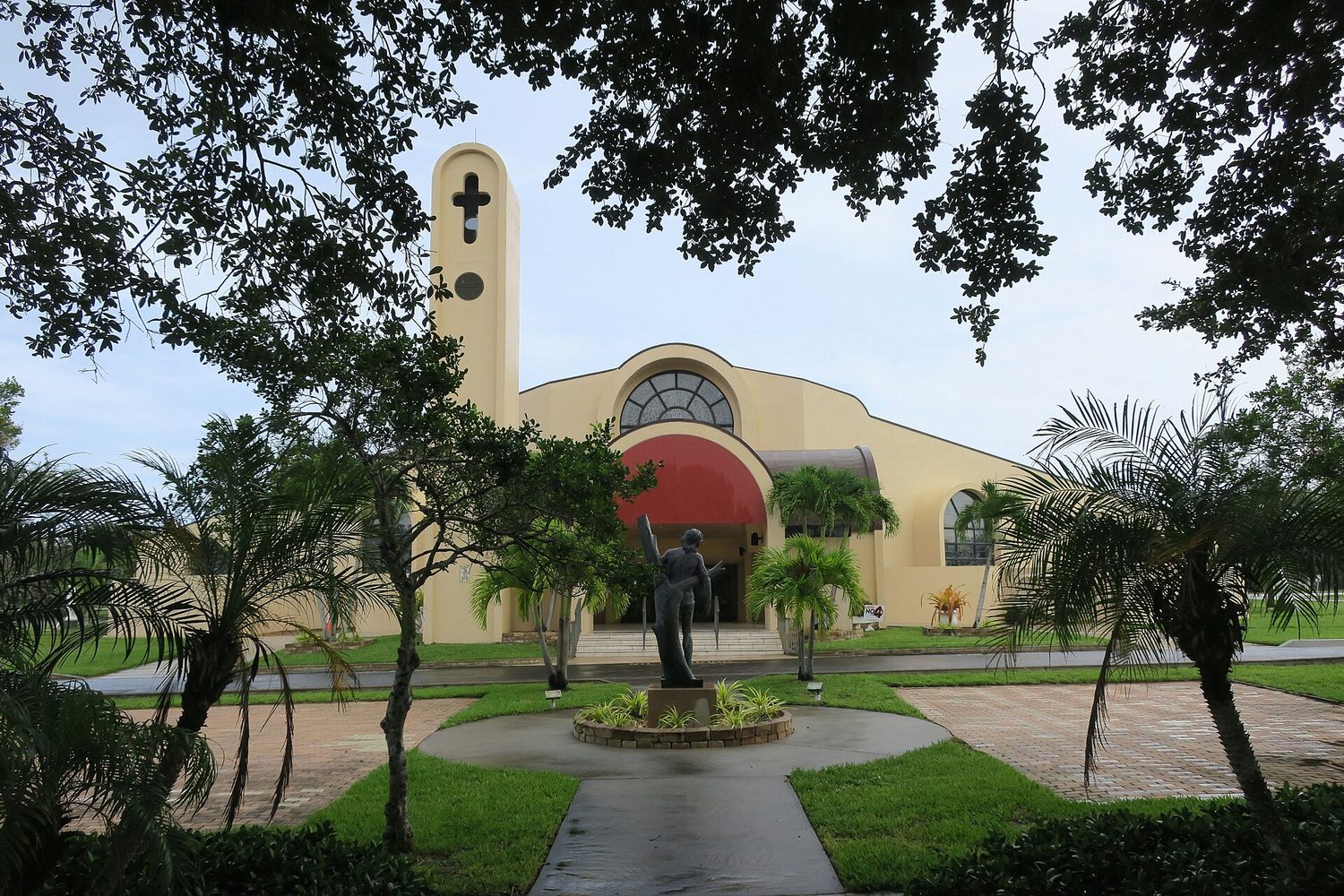
The River and the Fleet: How Sebastian Got Its Name
The 1715 Spanish treasure fleet scuttled off this coast, scattering silver and gold across the sand and into the historical record. Estimated losses exceed US$500 million, a figure that still draws salvors and dreamers. But the name on the map came earlier and stayed longer. The settlement was named St. Sebastian for the saint. The town later dropped the "St."; the river kept it. The St. Sebastian River now carries the saint’s name into the Indian River Lagoon—a quiet throughline from the Spanish colonial era to the present waterfront.
From Fishing Village to City: A Timeline of Settlement
Before the treasure fleet, before the railroad, there was fish. Sebastian operated as a fishing village as early as the 1870s, at the confluence of the St. Sebastian River and the Indian River Lagoon. A working waterfront built on the daily catch, not on legend. The settlement was formally established in 1882, incorporated as a municipality on 6 December 1924, and became a city on 18 May 1925. Village to town to city—a slow consolidation of a community that grew because of the water, not in spite of it.
Pelican Island: The Refuge That Outshines the Gold
The most significant landmark in Sebastian has nothing to do with doubloons. Pelican Island, declared the first National Wildlife Refuge in the United States in 1903, sits just offshore. A living monument to conservation that predates the modern environmental movement. The refuge shifted the frame from extraction to preservation—value in the birds, the mangroves, the rhythm of the tide, not in what a storm buried. It is why Sebastian can claim a legacy that outlasts any shipwreck.
The Mel Fisher Museum: Where History Is Anchored
Mel Fisher opened a permanent museum in Sebastian in 1992, giving the 1715 wreck a permanent address. The museum turns the fleet’s loss into an educational encounter—artifacts, context, the mechanics of salvage—rather than a swashbuckling fantasy. History with the salt still on it, minus the costume drama. For residents, the museum is a reminder that the storm offshore is part of the town’s DNA, not a sideshow.
What the Census Reveals About Life Here Today
The numbers paint a portrait of a community that skews older and steadier. Median age: 57.6 years. Population: 25,759 people. Of the 12,891 total housing units, 774 are held for seasonal or recreational use; 1,379 sit vacant—indicators of a place that swells with the seasons but keeps its core year-round. Median home value is $281,700, with a median gross rent of $1,414. Median household income: $68,863. 29.5 percent hold a bachelor’s degree or higher. Unemployment sits at 8.5 percent—a figure worth watching in a town where the working waterfront and service trades still carry weight.
Living Local: The Clambake and the Rhythm of the Year
The community’s calendar turns on the Sebastian Clambake Lagoon Festival—three days at Riverview Park on the Indian River in early November. Seafood booths, historical re-enactments, a kids zone, and the Clammer Jam. A lineup that ties the town’s past to its present. The Sebastian Clambake Foundation, founded in 2002, has given more than $1,000,000 back to local charities. The festival is less an attraction, more a mechanism for the town to reinvest in itself.
Sebastian at a Glance: Key Census Figures
| Measure | Value |
|---|---|
| Population | 25,759 people |
| Median age | 57.6 years |
| Total housing units | 12,891 units |
| Homes held for seasonal or recreational use | 774 units |
| Vacant housing units | 1,379 units |
| Median home value | $281,700 |
| Median gross rent | $1,414 |
| Median household income | $68,863 |
| Bachelor's degree or higher | 29.5 percent |
| Unemployment rate | 8.5 percent |
The town’s identity is not a slogan. It’s the refuge, the river, the working docks, and the museum—each layer of history that doesn’t need to be dressed up to be felt.
Common questions
- What is Sebastian, Florida known for?
- Sebastian is known for the 1715 Spanish treasure fleet that sank offshore in a hurricane, with losses estimated at over $500 million. The Mel Fisher Treasure Museum, opened in 1992, preserves that history. It's also a historic fishing village, established in 1882, at the St. Sebastian River and Indian River Lagoon.
- Is Sebastian a good place for retirees?
- Sebastian skews older, with a median age of 57.6 years. The population is 25,759, and many homes—774 of 12,891—are for seasonal or recreational use. That suggests a quiet, retiree-friendly atmosphere, though you should check local services and healthcare options for your needs.
- What is there to do in Sebastian besides beaches?
- Visit Pelican Island, the first National Wildlife Refuge in the U.S., declared in 1903. The Mel Fisher Treasure Museum is a major draw. In early November, the Sebastian Clambake Lagoon Festival offers three days of seafood, re-enactments, and a kids zone at Riverview Park.
- How expensive is it to live in Sebastian?
- The median home value is $281,700, and median gross rent is $1,414. Median household income is $68,863. About 29.5% of residents hold a bachelor's degree or higher. With 1,379 vacant units, housing options exist, but prices reflect Florida's coastal market.
- What's the job market like in Sebastian?
- The unemployment rate is 8.5%, which is higher than the national average. The town's economy historically centered on fishing and now tourism and treasure history. Many residents may commute to larger nearby cities like Stuart or Okeechobee, each about 44 miles away, for work.
- Is Sebastian a good place for families?
- Sebastian has a mature demographic, so it may not have the bustle of family-oriented towns. However, the Clambake Lagoon Festival includes a kids zone, and nearby towns offer events like the Stuart Boat Show. Outdoor activities around the lagoon and wildlife refuges provide family-friendly recreation.
Every business named above is one we hold a listing for, and every date traces to a source on our sources page. We do not describe menus, interiors or service we have not verified. Details change — confirm before you travel.