Guides · Sebastian, Florida
How Sebastian Got Its Name
The name on the map is Sebastian, but the story behind it is older than the town itself. It is a name borrowed from a saint, pinned to a river, and kept by a city that grew up where fresh water meets the lagoon.
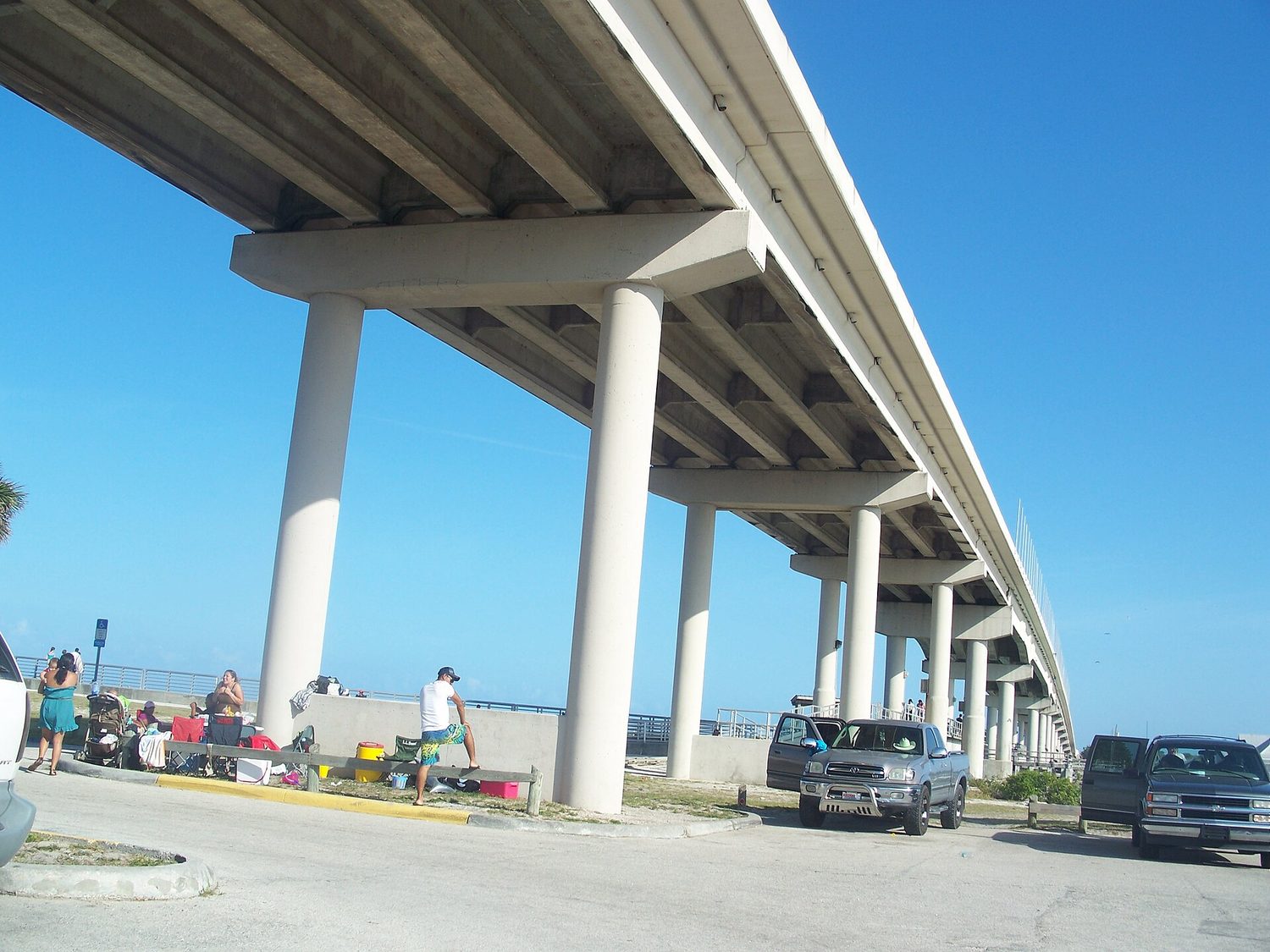
A Saint on the Shoreline
The settlement that became Sebastian started as a fishing village in the 1870s. It sat at the confluence of the St. Sebastian River and the Indian River Lagoon. The location was practical first, poetic second.
That river carried the name of Saint Sebastian long before the town existed. When the village incorporated in 1882, it took the saint’s name as its own. The records show the town was established that year, incorporated as a municipality on 6 December 1924, and then as a city on 18 May 1925. Somewhere along the way, the "St." was dropped from the town’s name. The river kept it. So today you live in Sebastian, but you fish the St. Sebastian.
The Wreck That Named the Coast
The name matters more than you might think. This coast has been tied to the 1715 Spanish treasure fleet for three centuries. A hurricane drove those ships into the sandbars and reefs offshore, and the loss was staggering. Estimates put the value of what went down at more than US$500 million. That figure is old and approximate, but it explains the obsession.
Mel Fisher, the man who spent decades chasing that fleet, opened a permanent museum here in 1992. The museum is in Sebastian, not in a bigger city down the coast. That choice says something about the town’s relationship to the water. The treasure is not a footnote here. It is part of the local identity, a reminder that the sea gives and takes on its own schedule.
The Refuge That Got There First
The treasure fleet gets the headlines, but the more enduring story might be the birds. Pelican Island, just offshore, was declared the first National Wildlife Refuge in the United States in 1903. That designation predates the modern conservation movement by decades. It happened because local people noticed the birds were being wiped out for their plumes and decided to do something about it.
That is the other Sebastian. Not the one with gold coins in display cases, but the one that protected a nesting ground before anyone else thought to try. The island is still there, still a refuge, and still a short boat ride from the town that shares its shoreline.
The Town Today
The numbers tell a quiet story. Sebastian has a population of 25,759 people, and the median age is 57.6 years. This is not a young town. It is a place where people come to stay, and the housing stock reflects that. Of the 12,891 total housing units, 774 are held for seasonal or recreational use. Another 1,379 sit vacant. The median home value is US$281,700, and the median gross rent is US$1,414.
The economy is modest. The median household income is US$68,863, and the unemployment rate sits at 8.5 percent. About 29.5 percent of residents hold a bachelor’s degree or higher. None of this makes the cover of a business magazine. It makes a town that is affordable enough to live in, old enough to have history, and close enough to the water that the past never feels very far away.
What the Name Carries
Sebastian is not a flashy name. It does not promise paradise or pretend to be anything other than what it is: a small city on a lagoon, named for a saint, anchored by a river, and shaped by a shipwreck that happened three hundred years ago. The treasure is gone, most of it still on the ocean floor. The refuge remains. The river remains. The name remains.
That is enough.
Every business named above is one we hold a listing for, and every date traces to a source on our sources page. We do not describe menus, interiors or service we have not verified. Details change — confirm before you travel.