Guides · Sebastian, Florida
The History of Sebastian in 6 Landmarks
The 1715 Fleet went down in a storm that gave this coast its name, but the town of Sebastian has spent the decades since building a history of its own, one defined as much by refuge as by riches.
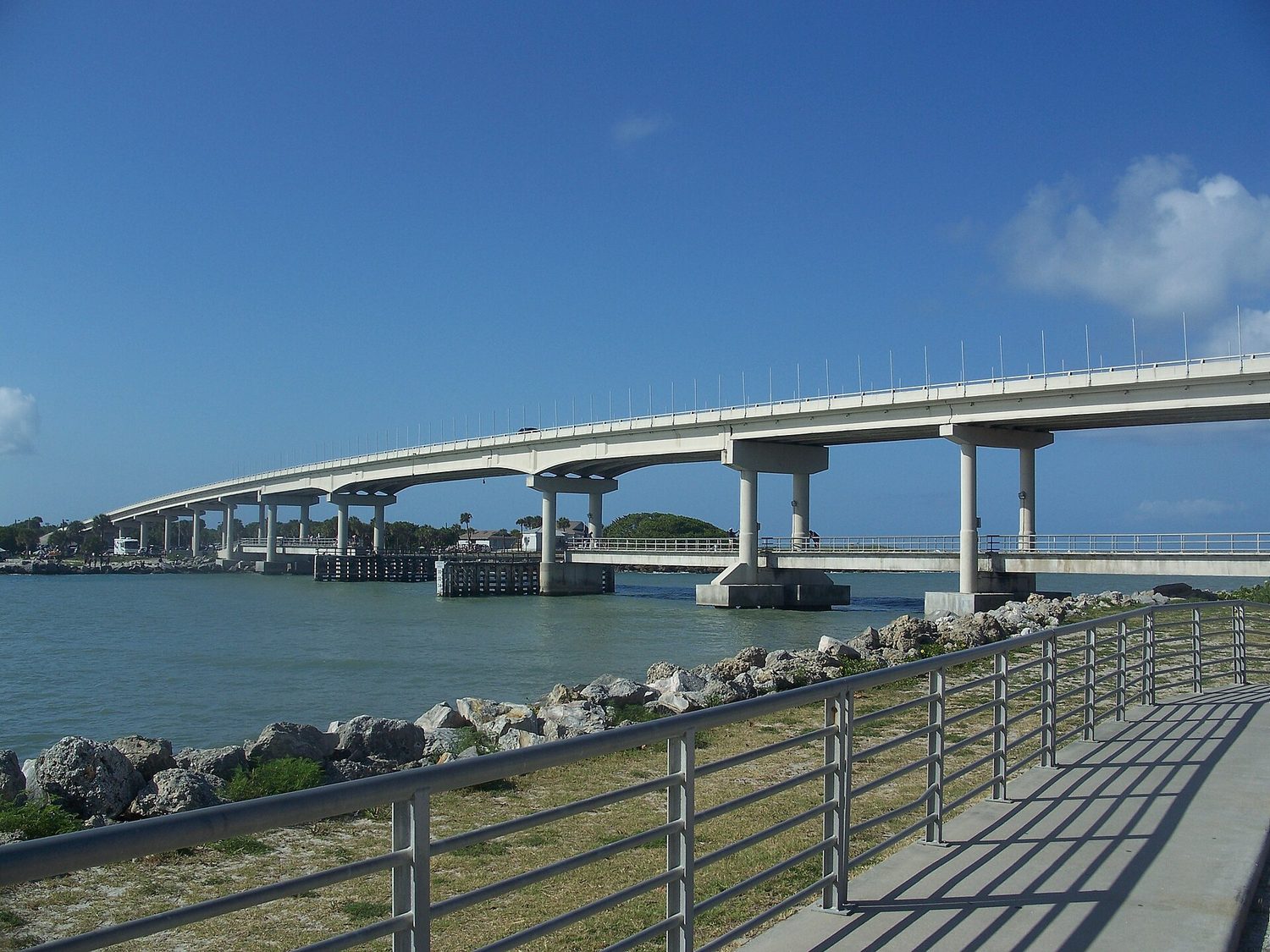
The River and the Fishing Village
Before there was a town, there was a fishing village. By the 1870s, men were working the confluence of the St. Sebastian River and the Indian River Lagoon, hauling in catches from waters that had fed people for centuries. The settlement took its name from Saint Sebastian, and the river kept the full name even after the town dropped the "St." It is a subtle distinction, but a telling one. The town moved on; the water remembers.
That water shaped everything. Sebastian was established in 1882, a decade after the fishermen had already settled in. The lagoon was the highway, the river the harbor. For a small community, the location was not incidental. It was the entire point.
Incorporation and the Shape of a Town
Sebastian was incorporated as a municipality on 6 December 1924. Less than six months later, on 18 May 1925, it became a city. The speed of that transition suggests ambition, or at least a desire for order. A fishing village had become a municipality, and a municipality had become a city, all within a single winter and spring.
The census numbers today tell a different kind of story. The population sits at 25,759 people, with a median age of 57.6 years. That is an older town, a settled town. The median home value is $281,700, and the median gross rent is $1,414. Of the 12,891 housing units, 774 are held for seasonal or recreational use, and 1,379 sit vacant. Nearly 30 percent of residents hold a bachelor's degree or higher. The unemployment rate is 8.5 percent, and the median household income is $68,863. These are not the numbers of a boomtown. They are the numbers of a place that has learned to endure.
Pelican Island and the Idea of Refuge
In 1903, President Theodore Roosevelt declared Pelican Island the first National Wildlife Refuge in the United States. The island sits just offshore, a low mound of mangrove and scrub that had become a last stand for brown pelicans, then being hunted to the edge of disappearance for their feathers.
The declaration was a radical act. No president had set aside land specifically for the sake of birds before. Roosevelt, an avid naturalist, did it with a simple executive order. The island was small, barely three acres, but the precedent was enormous. Every wildlife refuge in the country traces its lineage to that spot, visible from the shores of Sebastian.
For a town that began as a fishing village, the refuge is a quiet irony. The same waters that fed the town also protected its wild neighbors. Sebastian has always lived between those two impulses: taking from the sea and preserving it.
The 1715 Fleet and the Sunken Fortune
The storm came on 31 July 1715. A fleet of Spanish galleons, heavy with silver and gold from the New World, was sailing up the Florida coast when a hurricane caught it off this beach. Eleven of the twelve ships went down. Hundreds of lives were lost. The value of the cargo has been estimated at more than US$500 million, a figure that has only grown in legend.
The wreckage scattered along the reef, and for centuries it stayed there, shifting in the sand, occasionally giving up a coin to a storm or a diver. The coast has been named for the disaster ever since. The 1715 Fleet is not a metaphor here. It is the literal name of this shoreline, and this publication.
In 1992, Mel Fisher, the treasure hunter who had spent decades chasing Spanish wrecks, opened a permanent museum in Sebastian. The museum holds the artifacts recovered from the fleet, the gold bars and silver coins, the navigational instruments and the personal effects of the drowned. It is a monument to loss as much as to gain. The treasure was never "buried." It was sunk, violently, and the sea gave it back slowly, piece by piece.
The Museum and the Memory
The Mel Fisher museum in Sebastian is not a pirate display. It is a salvage operation turned public institution. Fisher's name is inseparable from Florida treasure hunting, but the museum does something quieter. It preserves the material reality of the disaster, the physical evidence that a fleet died here.
The museum anchors the town's identity to the water, to the history that happened just offshore. Sebastian does not need to invent a past. The past is in the sand, in the reef, in the name of the coast itself.
A Town Between Water and History
Sebastian is not a tourist fantasy. It is a working town with a median age near sixty, a town where a quarter of the housing units are vacant or seasonal, where the refuge and the wreckage sit within sight of each other. The fishing village that predated the town is gone, but the water is still the center of things.
The landmarks here are not monuments built by hand. They are a river, an island, a reef, a museum. They tell a story of a place that has always been defined by its edge, the line where land meets lagoon and where the past keeps washing up. The treasure fleet gave the coast its name. The refuge gave the nation its conscience. And the town, established in 1882, incorporated in 1924, made a city in 1925, just keeps watching the water.
Every business named above is one we hold a listing for, and every date traces to a source on our sources page. We do not describe menus, interiors or service we have not verified. Details change — confirm before you travel.