Guides · Sebastian, Florida
What Has Changed in Sebastian, Florida: History & Today
Sebastian started as a working riverfront settlement. More than a century later, its identity still swings between the practical demands of a fishing village and the pull of a coast named for a hurricane's metal.
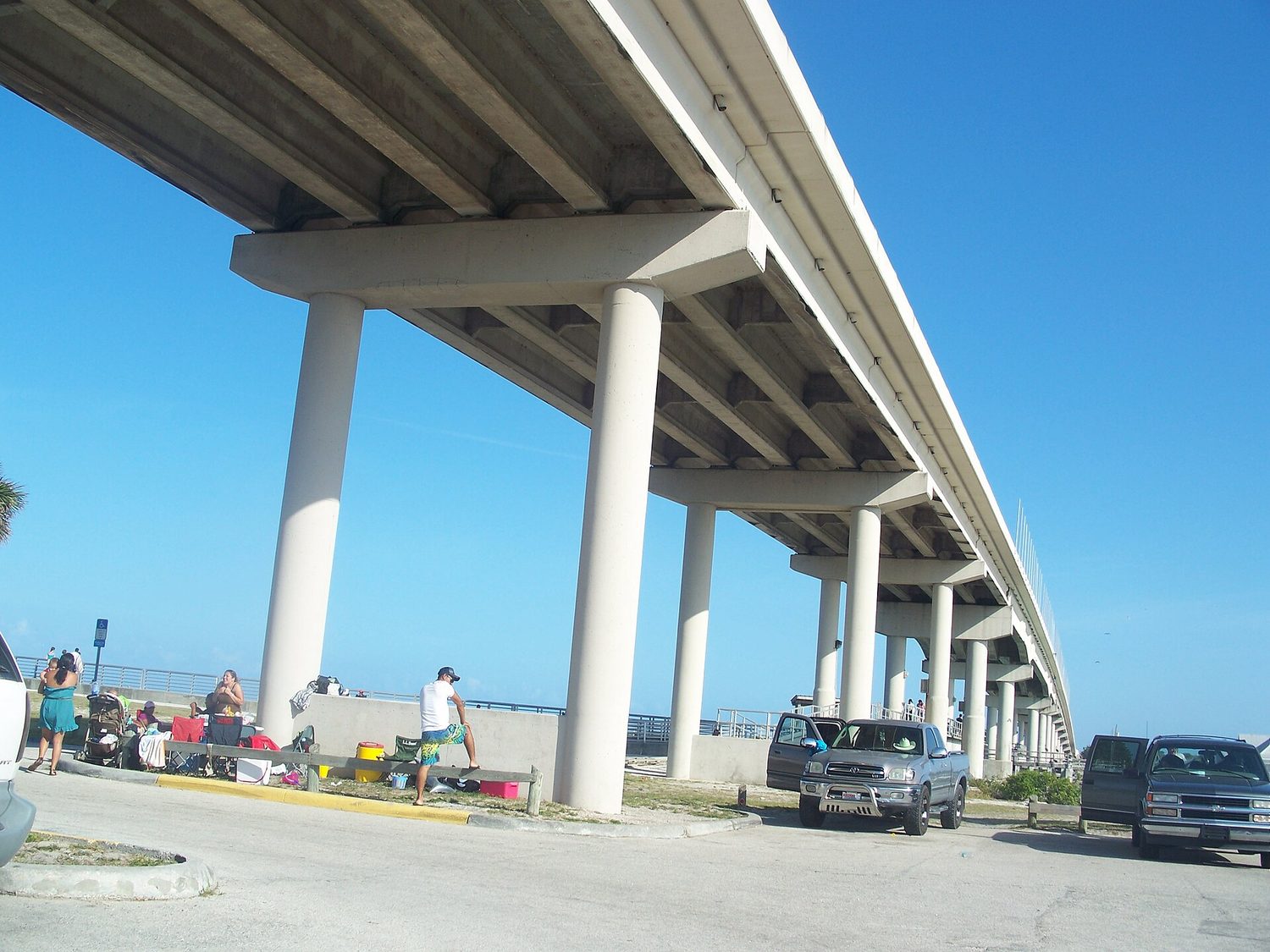
How Sebastian Grew from a Fishing Village to a City
The settlement that became Sebastian was a fishing village as early as the 1870s, set where the St. Sebastian River meets the Indian River Lagoon. The place took its name from Saint Sebastian; the town later dropped the "St." but the river kept it. Recorded establishment came in 1882, and the community incorporated as a municipality on 6 December 1924, then as a city on 18 May 1925. Those early decades were water-bound: fish, not tourists, paid the bills. The lagoon was the highway.
The 1715 Spanish Fleet Disaster Shaped Sebastian's Coast
Long before the village had a name, the coast had a story. In 1715, a hurricane drove the Spanish treasure fleet onto these shores. The loss has been estimated at more than US$500 million in value, and the wreckage scattered along the sand gave the area its lasting identity. This was no romantic tale of lost gold. It was a maritime catastrophe that killed hundreds and ended a commercial convoy. The legacy took permanent form in 1992, when Mel Fisher opened a museum in Sebastian. It treats the wreck and its context with the gravity of history, not the gloss of a treasure map.
Pelican Island: America's First National Wildlife Refuge
Three miles off the coast, Pelican Island became the first National Wildlife Refuge in the United States in 1903, set aside to protect nesting birds from plume hunters. The island's conservation ethos sits in deliberate contrast to the treasure-hunting legacy that put Sebastian on the map. One story is about taking riches from the sea; the other is about leaving the sea's life alone. Together they define a town that has never settled on a single narrative.
Sebastian's Population and Housing Data Today
The census tells the story of a place that no longer depends on fish. Sebastian's population is 25,759 people with a median age of 57.6 years. Of the 12,891 total housing units, 774 are held for seasonal or recreational use, and 1,379 are vacant. The median home value is $281,700, with a median gross rent of $1,414. Median household income sits at $68,863, and 29.5 percent of residents hold a bachelor's degree or higher. The unemployment rate is 8.5 percent. These figures sketch a town that has shifted from a working waterfront to a destination for retirees and part-time residents.
Top Attractions in Sebastian: Museum, Refuge, and Clambake
The modern draws that keep the past alive are the very things that define the town's character. The Mel Fisher museum anchors the 1715 fleet legacy in a permanent, museum-quality setting. Pelican Island remains a national landmark and a local point of pride. And each early November, the Sebastian Clambake Lagoon Festival takes over Riverview Park on the Indian River for three days of seafood booths, historical re-enactments, a kids zone, and the Clammer Jam. The Sebastian Clambake Foundation, founded in 2002, has given more than $1,000,000 back to local charities. The festival is the rare event that ties the town's history to its present community.
Is Sebastian Becoming a Year-Round Community?
The 774 seasonal homes and 1,379 vacant units are a quiet question about Sebastian's future. A town with a median age of 57.6 and a high share of part-time housing may find itself caught between catering to seasonal residents and building a year-round community. The median income of $68,863 and median home value of $281,700 suggest the market has already repriced for a different buyer than the fishing families of the 1870s. Whether the next shift brings more permanent residents or more seasonal ones will determine whether Sebastian becomes a full-time home or a part-time refuge.
| Indicator | Value |
|---|---|
| Population | 25,759 |
| Median age | 57.6 years |
| Total housing units | 12,891 |
| Seasonal/recreational homes | 774 |
| Vacant housing units | 1,379 |
| Median home value | $281,700 |
| Median gross rent | $1,414 |
| Median household income | $68,863 |
| Bachelor's degree or higher | 29.5% |
| Unemployment rate | 8.5% |
| Founded (established) | 1882 |
| Incorporated as municipality | 6 December 1924 |
| Incorporated as city | 18 May 1925 |
| 1715 fleet loss estimate | >$500 million |
| Pelican Island refuge established | 1903 |
| Mel Fisher museum opened | 1992 |
Common questions
- What happened to the 1715 treasure fleet?
- A hurricane sank the Spanish treasure fleet off this coast in 1715, with losses estimated at over $500 million. The disaster gave the area its name, the Treasure Coast. You can learn more at the Mel Fisher museum in Sebastian, open since 1992.
- When was Sebastian founded?
- Sebastian was established in 1882, but the area was a fishing village as early as the 1870s. It incorporated as a municipality on December 6, 1924, and became a city on May 18, 1925. The name comes from Saint Sebastian, though the 'St.' was later dropped.
- Is Pelican Island worth visiting?
- Yes, Pelican Island is historically significant as the first National Wildlife Refuge in the U.S., declared in 1903. It's a must-see for nature lovers and history buffs alike, offering a glimpse into early conservation efforts.
- What is the population and vibe of Sebastian?
- Sebastian has a population of about 25,759, with a median age of 57.6, giving it a mature, relaxed feel. The median home value is $281,700, and the median household income is $68,863, reflecting a stable, middle-class community.
- What annual events happen in Sebastian?
- The Sebastian Clambake Lagoon Festival takes place in early November at Riverview Park. It's a three-day event with seafood, historical re-enactments, a kids zone, and the Clammer Jam. The foundation behind it has donated over $1,000,000 to local charities since 2002.
- Is Sebastian a good place for seasonal homes?
- Yes, out of 12,891 housing units, 774 are for seasonal or recreational use, and about 1,379 are vacant. This suggests a community that welcomes part-time residents, especially those seeking a coastal retreat with historical depth.
Every business named above is one we hold a listing for, and every date traces to a source on our sources page. We do not describe menus, interiors or service we have not verified. Details change — confirm before you travel.