Guides · Sebastian, Florida
Sebastian FL History: Fishing, Pelican Island & the 1715 Fleet
Sebastian’s real founding industry wasn’t salvage—it was fish, birds, and the water that fed both.
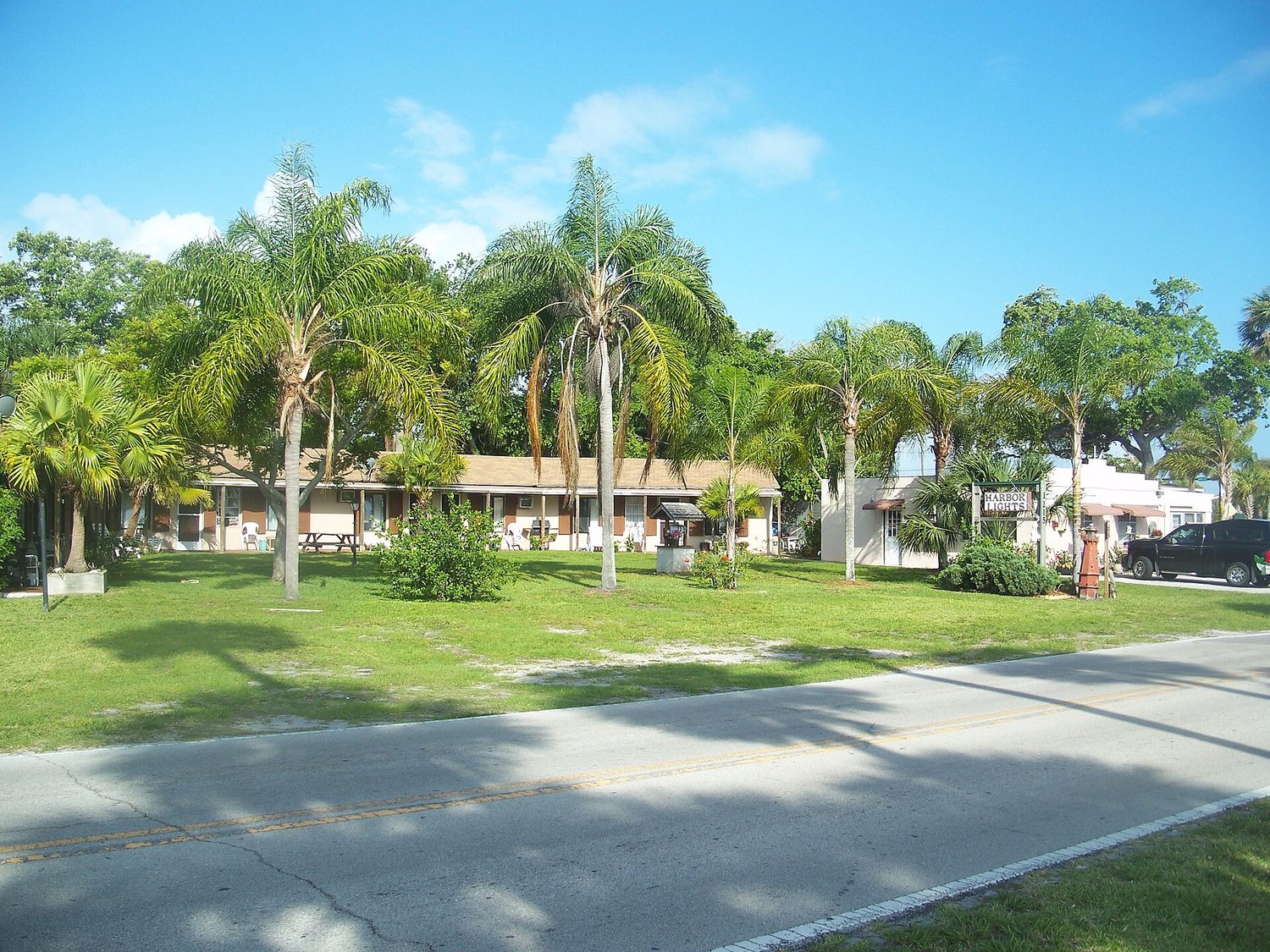
How Sebastian Started as a Fishing Village
Long before the treasure fleet entered the origin story, Sebastian was a working waterfront. By the 1870s, the settlement at the confluence of the St. Sebastian River and the Indian River Lagoon was a fishing village, its economy built on nets and tides rather than silver and gold. The geography dictated the trade: the river brought freshwater down from the interior, the lagoon offered shallow, sheltered water, and the Atlantic lay just beyond the barrier islands. That triple junction made it a natural staging ground for mullet, blue crab, and whatever else ran through the passes. The town was established in 1882, but the fishing camps predated the formal name. When Sebastian incorporated as a municipality on 6 December 1924 and as a city on 18 May 1925, it did so as a community that already knew exactly what it was: a place that worked the water.
The 1715 Fleet Wreck: A Storm's Legacy on Sebastian's Coast
The hurricane that sank the 1715 Spanish treasure fleet off this coast is the region's most famous disaster, and the numbers are staggering: the estimated value lost has been put at more than US$500 million. The storm scattered silver, gold, and jewels across the nearshore and the beach, and the coast has been named for it ever since. But the fleet's wreck did not build Sebastian. The salvage camps that followed were temporary and brutal, and the surviving Spanish crews moved on. The town's economy stayed with fishing. The 1715 story is a dramatic backdrop, not a foundation stone. It gave the coast a name and, much later, a museum—but the village's character was set by people who caught fish, not by those who hunted galleons.
Pelican Island: America's First Wildlife Refuge Near Sebastian
Sebastian's fishing industry had an unexpected consequence: it nearly destroyed the very birds that made the lagoon so productive. Pelican Island, just offshore, was a rookery for brown pelicans and other wading birds, but plume hunters and egg collectors were decimating the colonies by the late 1800s. In 1903, President Theodore Roosevelt declared Pelican Island the first National Wildlife Refuge in the United States, a decision that grew directly out of the conflict between the working waterfront and the wildlife that sustained it. The refuge didn't just protect birds—it established a new idea: that some places were worth more untouched than exploited. For a fishing village, that was a shift in worldview as significant as any storm.
From Nets to Museum: The Working Waterfront Today
The fishing industry evolved over the decades, but the waterfront never lost its working character. In 1992, Mel Fisher opened a permanent museum in Sebastian, anchoring the treasure-fleet story to the town at last. The museum is a reminder of the 1715 hurricane, but it sits in a community whose identity is still shaped by the lagoon. The census paints the portrait of that shift: the median age is 57.6 years, and of the 12,891 total housing units, 774 are held for seasonal or recreational use, with 1,379 vacant. These are the numbers of a town that has become a destination—but a destination with a working past. The median home value is $281,700 and the median gross rent is $1,414, figures that suggest a place beyond its fishing-boat days but not yet a resort. The unemployment rate sits at 8.5 percent, a reminder that the economy is still in transition.
The Clambake That Keeps the Waterfront Alive
The Sebastian Clambake Lagoon Festival is the town's most direct link between its maritime heritage and its present-day civic life. Held over three days at Riverview Park on the Indian River in early November, the event features seafood booths, historical re-enactments, a kids zone, and the Clammer Jam. It's not just a fair—it's a fundraiser. The Sebastian Clambake Foundation, founded in 2002, has given more than $1,000,000 back to local charities. That money doesn't come from treasure hunting. It comes from clams, community, and a festival that treats the waterfront as something to celebrate rather than excavate.
Sebastian by the Numbers: A Snapshot of a Coastal Town
| Indicator | Value |
|---|---|
| Population | 25,759 |
| Median age | 57.6 years |
| Median household income | $68,863 |
| Total housing units | 12,891 |
| Seasonal/recreational homes | 774 |
| Vacant housing units | 1,379 |
| Median home value | $281,700 |
| Median gross rent | $1,414 |
| Bachelor's degree or higher | 29.5% |
| Unemployment rate | 8.5% |
Beyond Sebastian: Day Trips Along the Lagoon and Inland
Sebastian sits in a region where every neighboring town has its own festival, its own claim to the water or the interior. Head inland 44 miles to Okeechobee for the Speckled Perch Festival and Parade, or south the same distance to Stuart for the Stuart Boat Show. Further afield, Oviedo (78 miles) hosts Great Day in the Country, Altamonte Springs (88 miles) puts on Red Hot & Boom, Sanford (89 miles) runs its Porchfest, and Clermont (100 miles) offers Pig on the Pond. Each of these events is a different flavor of Florida—cracker country, river town, inland suburb—and together they place Sebastian in a broader world than the treasure-fleet myth alone. The town's story is not the gold in the water; it's the people who stayed on the shore and worked it.
Common questions
- What happened to the 1715 Spanish treasure fleet?
- A hurricane sank the fleet off this coast in 1715. The loss has been estimated at more than US$500 million. The coast has been named for the wreck ever since, and Mel Fisher opened a permanent museum in Sebastian in 1992.
- How did Sebastian get its name?
- The settlement was named St. Sebastian for Saint Sebastian, established in 1882. The town later dropped the 'St.', but the river kept it. Sebastian was a fishing village as early as the 1870s at the confluence of the St. Sebastian River and the Indian River Lagoon.
- Is there a museum about the treasure fleet in Sebastian?
- Yes, Mel Fisher opened a permanent museum in Sebastian in 1992. It focuses on the 1715 fleet and its history. The museum is a key stop for understanding the wreck's impact on the area.
- What is Pelican Island and why is it important?
- Pelican Island was declared the first National Wildlife Refuge in the United States in 1903. It's a refuge that matters as much as the gold—a cornerstone of conservation along this coast, worth visiting for its natural significance.
- When was Sebastian incorporated as a city?
- Sebastian was established in 1882, incorporated as a municipality on 6 December 1924, and as a city on 18 May 1925. It grew from a fishing village into the community you see today, with a median age of 57.6 years.
- What's the Sebastian Clambake Lagoon Festival?
- It's a three-day event at Riverview Park on the Indian River in early November. It features seafood booths, historical re-enactments, a kids zone, and the Clammer Jam. The foundation, founded in 2002, has given more than $1,000,000 to local charities.
Every business named above is one we hold a listing for, and every date traces to a source on our sources page. We do not describe menus, interiors or service we have not verified. Details change — confirm before you travel.