Guides · Sebastian, Florida
Reading the Buildings of Sebastian, Florida
The 1715 Fleet is the reason the coast has a name; the buildings are why the town has a story.
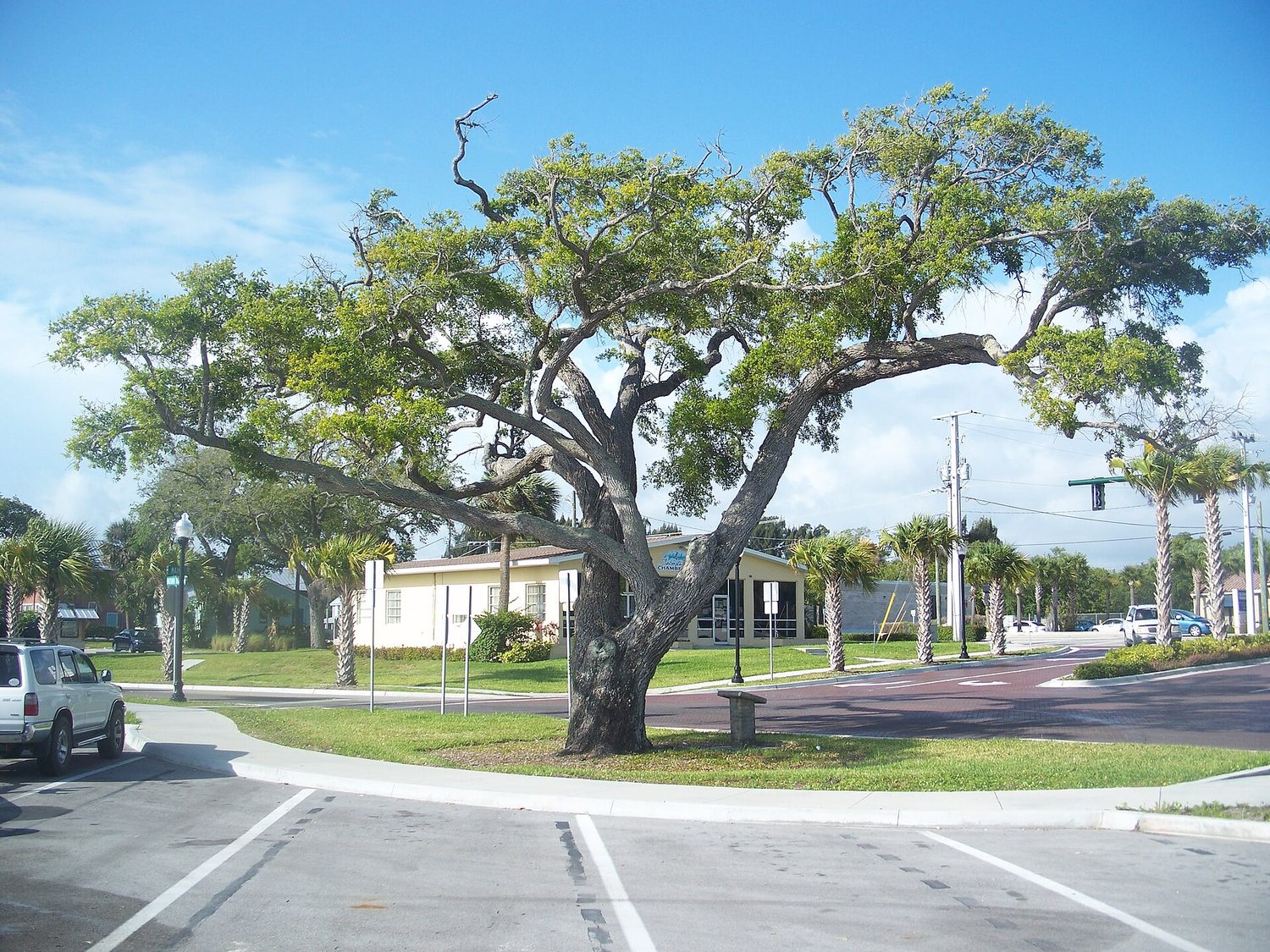
A Name Written in Water
Sebastian began as a place people passed through, then decided to stay. The river and the lagoon made that decision easy. By the 1870s, it was a fishing village, and the water stayed the center of everything. The town took its name from Saint Sebastian, though the river kept the full "St." when the town dropped it. The incorporation dates matter less than the pattern: 1882 for the settlement, 6 December 1924 for the municipality, 18 May 1925 for the city. Each step was a claim on the land, a way of saying this place was now permanent.
The Storm That Named the Coast
Before the town, before the fishing boats, there was the storm. In 1715, the Spanish treasure fleet went down off this coast. The loss has been estimated at more than US$500 million. That number is abstract until you stand on the beach and think about what the water took. The coast has been named for the fleet ever since, and the wreckage still shapes the town's identity. Mel Fisher opened a permanent museum in Sebastian in 1992, turning the disaster into a place you can walk through and read.
The Refuge That Came First
Pelican Island became the first National Wildlife Refuge in the United States in 1903. That fact is easy to skim past, but it is the kind of thing that changes how a place sees itself. The refuge matters as much as the gold. Sebastian is not just a town that lost a treasure fleet; it is a town that protected a piece of the wild before most places thought to do so. The buildings here are not just structures. They are records of that tension between what the water gives and what it takes.
What the Census Says About Who Lives Here
The numbers tell a specific story. The population is 25,759, and the median age is 57.6 years. That is not a young town. It is a place where people come to settle, to retire, to slow down. The median household income is US$68,863, and the median home value is US$281,700. The median gross rent is US$1,414. Those figures are not exceptional, but they are stable.
The housing data is more revealing. There are 12,891 total housing units. Of those, 774 are held for seasonal or recreational use, and 1,379 are vacant. That means about 16 percent of the housing stock is not occupied year-round. This is a town that empties out in the summer and fills up in the winter. The seasonal rhythm is built into the streets.
Education levels are modest: 29.5 percent of residents hold a bachelor's degree or higher. The unemployment rate is 8.5 percent, which is higher than the national average. This is not a town of tech campuses or corporate headquarters. It is a town of water, tourism, and the people who keep those things running.
A Festival That Gives Back
The annual event that matters most is the Sebastian Clambake Lagoon Festival, held over three days at Riverview Park on the Indian River in early November. The name is a bit of a misnomer; it is more than a clambake. There are seafood booths, historical re-enactments, a kids zone, and the Clammer Jam. The Sebastian Clambake Foundation, founded in 2002, has given more than US$1,000,000 back to local charities. That is not a small thing. It is a festival that pays for itself and then some.
Reading the Buildings
Walk the streets and you will see the layers. The fishing village is still there in the low-slung houses near the water. The 1920s boom is in the older commercial blocks. The modern era is in the subdivisions and the strip malls. None of it is grand, but none of it is fake. The buildings do not pretend to be older than they are. They just sit there, holding the heat and the salt air, and wait for someone to read them.
The museum is the clearest text. It was established in 1992, and it is the place where the town's two stories meet: the treasure lost and the refuge preserved. You can go there and see what the storm took, then walk to the island and see what the town kept.
The Day Trips
Sebastian is not isolated. It is 44 miles from Okeechobee, which hosts the Speckled Perch Festival and Parade. Stuart is also 44 miles away, with the Stuart Boat Show. Farther out, Oviedo is 78 miles and has Great Day in the Country. Altamonte Springs is 88 miles and hosts Red Hot & Boom. Sanford is 89 miles with Sanford Porchfest. Clermont is 100 miles with Pig on the Pond. These are not reasons to leave; they are reasons to come back.
The Point
Sebastian is not a place that needs to be sold. It is a place that needs to be read. The name on the map comes from a storm that sank a fleet. The town that grew up here decided to stay anyway. The refuge that came first is still there. The buildings are not monuments. They are evidence. Read them carefully, and they will tell you what the water already knows: this coast has been taking and giving for three centuries, and it is not done yet.
Common questions
- What happened to the 1715 Spanish treasure fleet near Sebastian?
- A hurricane sank the 1715 Spanish treasure fleet off this coast. The lost value has been estimated at more than US$500 million. Mel Fisher opened a permanent museum in Sebastian in 1992 to display recovered artifacts.
- When was Sebastian founded and incorporated?
- Sebastian was established in 1882, incorporated as a municipality on 6 December 1924, and as a city on 18 May 1925. It was named for Saint Sebastian, but the town later dropped the 'St.' while the river kept it.
- Is Pelican Island really the first national wildlife refuge?
- Yes. Pelican Island was declared the first National Wildlife Refuge in the United States in 1903. It's a key part of Sebastian's natural heritage, separate from the treasure history.
- What is the Sebastian Clambake Lagoon Festival?
- It's a three-day event at Riverview Park on the Indian River in early November. It features seafood booths, historical re-enactments, a kids zone, and the Clammer Jam. The foundation behind it, founded in 2002, has given over $1,000,000 to local charities.
- How many people live in Sebastian and what's the median age?
- The population is 25,759 people, with a median age of 57.6 years. Median household income is $68,863, and the median home value is $281,700. About 29.5% of residents hold a bachelor's degree or higher.
- Are there many seasonal homes in Sebastian?
- Out of 12,891 total housing units, 774 are held for seasonal or recreational use. There are also 1,379 vacant units. That suggests a modest seasonal presence, but the town is a full-time community for most residents.
Every business named above is one we hold a listing for, and every date traces to a source on our sources page. We do not describe menus, interiors or service we have not verified. Details change — confirm before you travel.