Guides · Sebastian, Florida
Wintering in Sebastian, Florida: A Practical Guide
The 1715 Fleet hurricane gave Sebastian its name and its identity. Two centuries later, the town still measures itself against that storm and the refuge it inspired.
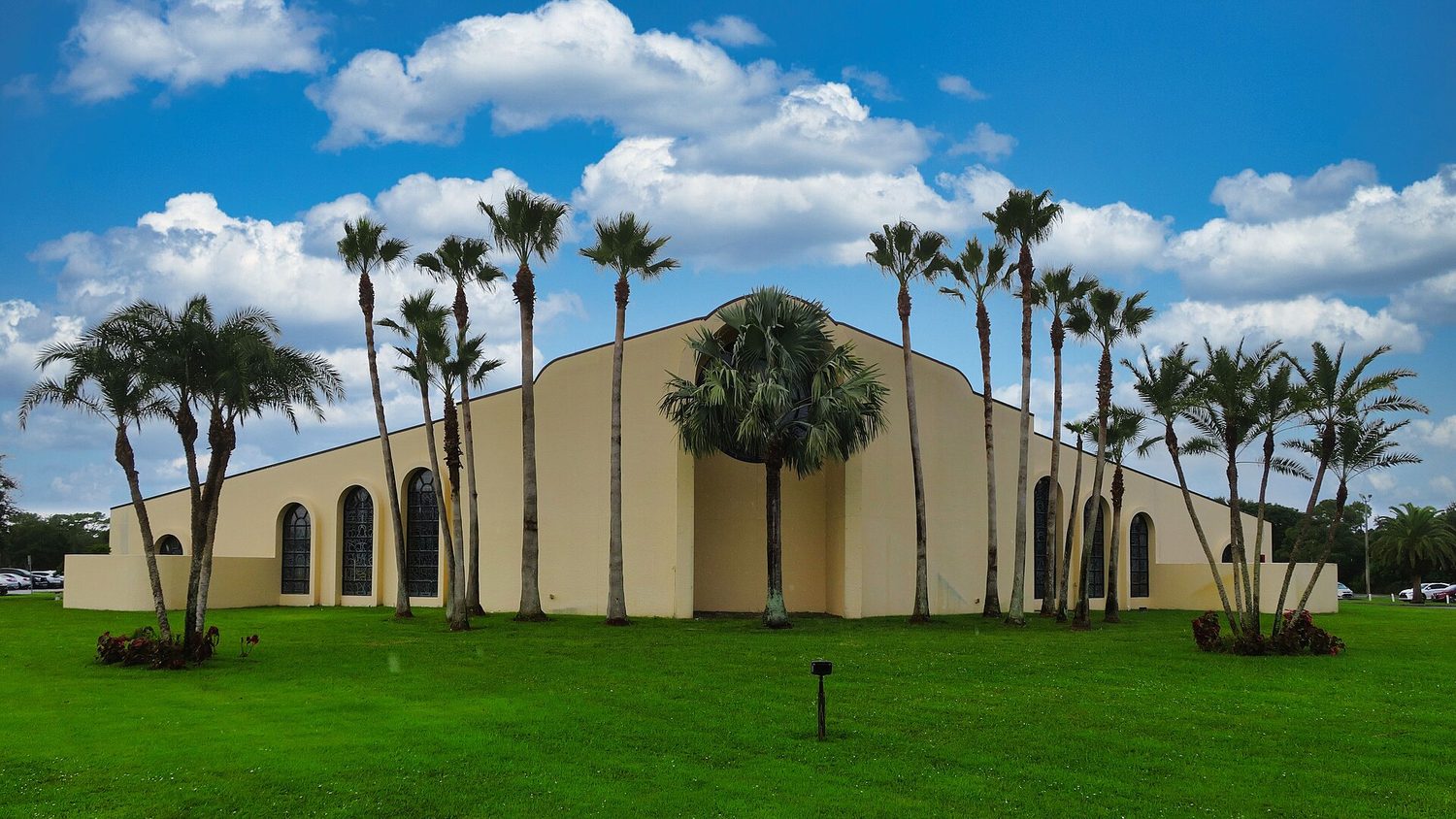
How the 1715 Fleet Wreck Shaped Sebastian
On 31 July 1715, a hurricane drove the Spanish treasure fleet onto the reefs off this coast. Twelve ships went down; the value lost has been estimated at more than US$500 million in silver, gold and cargo. The disaster scattered treasure across the sand—and fixed this shoreline in the global imagination as a place where fortune arrives and departs with the tide.
The tangible link sits in Sebastian itself. Mel Fisher's Treasure Museum, established in 1992, displays artifacts recovered from the 1715 fleet and tells the story of the salvage operations that followed. Fisher, who made his name finding the Atocha off Key West, turned his attention to Sebastian's waters and made the museum a permanent anchor for the fleet's legacy. The coast has been named for those wrecks ever since. The museum keeps the history from slipping into legend.
Sebastian's Working Waterfront: A Fishing Town That Endures
Before the treasure, before the snowbirds, Sebastian was a fishing village. As early as the 1870s, settlers worked the confluence of the St. Sebastian River and the Indian River Lagoon, hauling in catch that fed the region and built a working waterfront. The settlement was named St. Sebastian for the saint, and when the town later dropped the "St." from its own name, the river kept it—a small clue to the layers of history here.
That working character persists. Sebastian was established in 1882, incorporated as a municipality on 6 December 1924 and as a city on 18 May 1925, but its rhythm still follows the water. The shrimping fleet, the fish houses, the boats at the docks—these are not relics. They are the town's daily pulse. They give winter visitors something rarer than a beach towel: a place that works for a living.
Pelican Island: America's First National Wildlife Refuge
Three miles off Sebastian's shore sits a five-acre island that changed American conservation. In 1903, President Theodore Roosevelt designated Pelican Island the first National Wildlife Refuge in the United States, protecting the brown pelicans and other wading birds that nested there from plume hunters who had nearly wiped them out.
Winter is the season to see it. The birds are active, the light is low and clear, and the refuge system that began here now spans the country. The island itself is closed to landing, but the observation deck on nearby Jungle Trail offers a view that rewards patience. Bring binoculars, not expectations of a theme park. The refuge demands respect. It gives back in what you notice when you stand still.
Sebastian Winter Stats: What the Numbers Say
The census figures paint a clear picture of who winters here. Sebastian's population is 25,759 people with a median age of 57.6 years—a mature crowd, but not a static one. Of the 12,891 total housing units, 774 are held for seasonal or recreational use, and 1,379 sit vacant. That's a vacancy rate just over ten percent, which means the winter influx has room to land.
The economics are real but not extravagant. Median home value is $281,700; median gross rent is $1,414. Median household income sits at $68,863, and 29.5 percent of residents hold a bachelor's degree or higher. The unemployment rate of 8.5 percent reflects a working town, not a resort one. Retirement and the commercial fishing life share a causeway here.
Wintering in Sebastian: Key Figures at a Glance
| Measure | Value |
|---|---|
| Population | 25,759 |
| Median age | 57.6 years |
| Total housing units | 12,891 |
| Seasonal/recreational housing units | 774 |
| Vacant housing units | 1,379 |
| Median home value | $281,700 |
| Median gross rent | $1,414 |
| Median household income | $68,863 |
| Bachelor's degree or higher | 29.5% |
| Unemployment rate | 8.5% |
The Clambake and Other Late-Season Rituals
November is when Sebastian shifts from summer mode to something older. The Sebastian Clambake Lagoon Festival runs three days at Riverview Park on the Indian River in early November: seafood booths, historical re-enactments, a kids zone and the Clammer Jam. The Sebastian Clambake Foundation, founded in 2002, has given more than $1,000,000 back to local charities—a reminder that the festival is a civic act, not just a party.
Beyond Sebastian, the winter season opens day-trip possibilities. Okeechobee, 44 miles west, hosts the Speckled Perch Festival and Parade. Stuart, 44 miles south, runs the Stuart Boat Show. Farther afield, Oviedo (78 miles) offers Great Day in the Country, Altamonte Springs (88 miles) has Red Hot & Boom, Sanford (89 miles) stages Sanford Porchfest, and Clermont (100 miles) puts on Pig on the Pond. Each has its own calendar. None replicates Sebastian's particular blend of wreck and refuge.
Living With the Lagoon: Practical Notes
Winter visitors should plan for the housing realities the census data reveals. The 774 seasonal units are a small slice of the total stock, and they fill early. Vacant units exist, but they are not all rentals; some are homes awaiting their owners' return. Rent at a median of $1,414 is reasonable by Florida coastal standards, but the inventory is tight and the market moves fast. The rhythm of life here follows the lagoon—fishing tides in the morning, quiet streets by evening, and the constant presence of the water that made this place.
Sebastian is not a retirement cliché. It is a working waterfront where the 1715 fleet's legacy and the nation's first wildlife refuge define a winter season of discovery, not leisure. The treasure is history, the refuge is real, and the town keeps its own time. Come for the story; stay for the tide.
Common questions
- What is the 1715 Fleet and why is it important in Sebastian?
- In 1715, a Spanish treasure fleet sank in a hurricane off this coast, with losses estimated at over $500 million. The event gave the area its historic character. Mel Fisher opened a permanent museum here in 1992 to display recovered artifacts and tell the story.
- When was Sebastian founded and how did it get its name?
- Sebastian started as a fishing village in the 1870s, was established in 1882, and incorporated as a city in 1925. It was named for Saint Sebastian; the town later dropped 'St.' but the river kept it. The settlement grew at the confluence of the St. Sebastian River and the Indian River Lagoon.
- What is Pelican Island and can I visit it?
- Pelican Island, declared the first National Wildlife Refuge in the United States in 1903, lies near Sebastian. It protects nesting birds and is a significant conservation landmark. You can view it from shore or by boat, but access to the island itself is restricted to protect wildlife.
- What is the Sebastian Clambake Lagoon Festival?
- It's a three-day event in early November at Riverview Park on the Indian River. It features seafood booths, historical re-enactments, a kids zone, and the Clammer Jam. The Sebastian Clambake Foundation, founded in 2002, has donated over $1,000,000 to local charities.
- What is the median home value and rent in Sebastian?
- The median home value is $281,700, and the median gross rent is $1,414 per month. The median household income is $68,863. About 29.5% of residents hold a bachelor's degree or higher, and the median age is 57.6 years.
- Is Sebastian a good place for seasonal or winter residents?
- Yes. Of 12,891 housing units, 774 are held for seasonal or recreational use, and 1,379 are vacant, indicating availability. The population of 25,759 includes many older residents, with a median age of 57.6. The mild winter climate and historic attractions draw seasonal visitors.
Every business named above is one we hold a listing for, and every date traces to a source on our sources page. We do not describe menus, interiors or service we have not verified. Details change — confirm before you travel.