Guides · Sebastian, Florida
Visiting Sebastian, Florida in Hurricane Season: What to Know
Visiting Sebastian in hurricane season means engaging with a town whose past and present are defined by the storms that built its name.
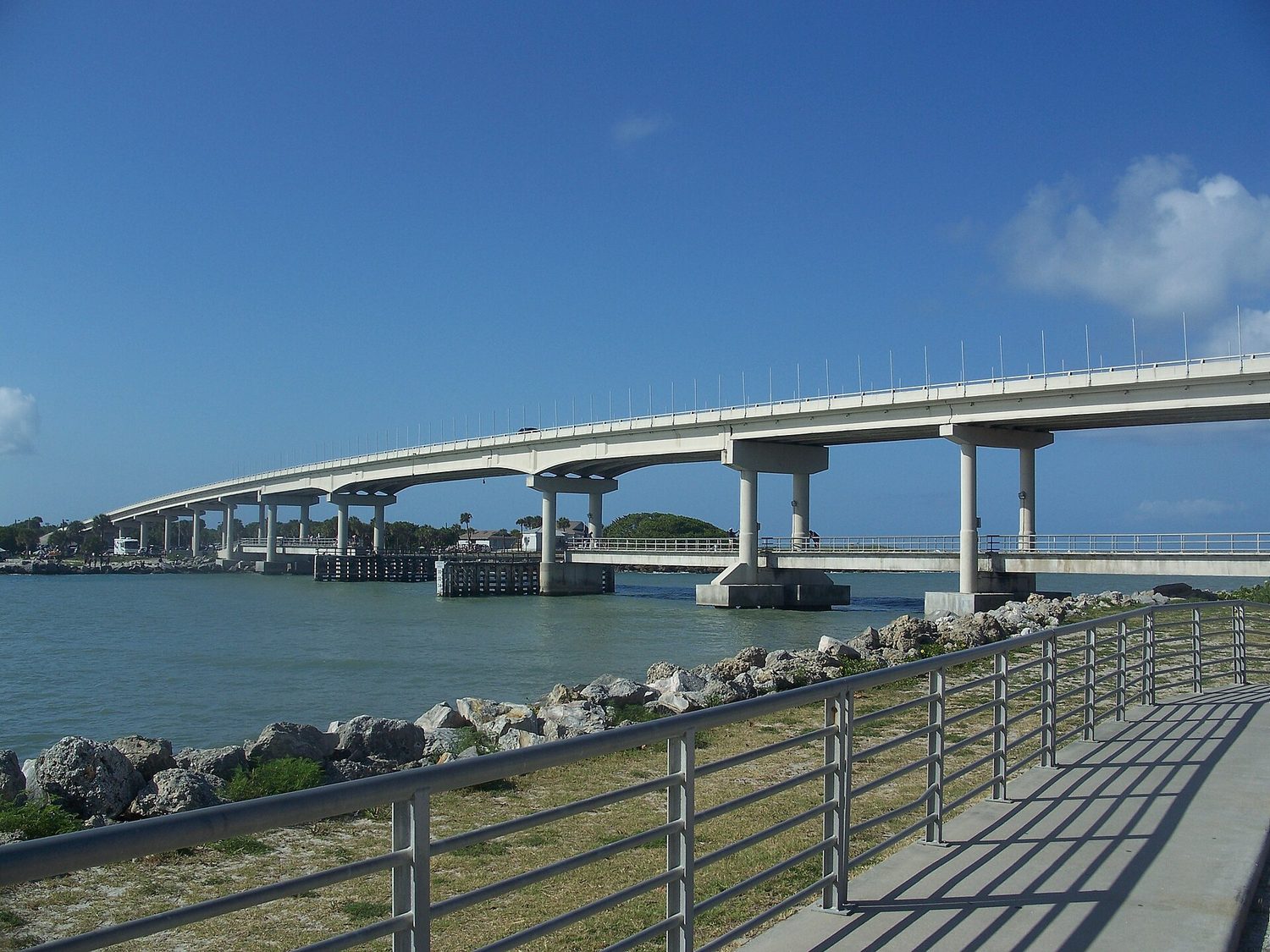
A Town Built on the Edge of the Storm
Sebastian began as a fishing village in the 1870s, settled where the St. Sebastian River meets the Indian River Lagoon. The town was established in 1882 and incorporated as a municipality on 6 December 1924, later becoming a city on 18 May 1925. Named for Saint Sebastian, the town eventually dropped the "St." but the river kept it. That geography—low-lying, tidal, and exposed—was the draw for the first residents and remains the defining feature of life here. The same waters that fed the fishing trade are the ones that surge and rise when a hurricane approaches. This is not a coastline that pretends otherwise.
The 1715 Fleet: A Legacy Written in Hurricanes
The town's most famous story begins with a hurricane. In 1715, a Spanish treasure fleet was caught in a storm off this coast and went down, scattering silver and gold across the shallows. The value lost has been estimated at more than US$500 million. That wreckage gave the coast its name and gave Sebastian a permanent link to the sea's capacity for destruction and reward. In 1992, Mel Fisher opened a permanent museum in Sebastian to tell that story. The museum is the place to understand what the storm took, what it left behind, and why this stretch of water has drawn fortune hunters for three centuries.
Pelican Island: The Refuge That Weathers Every Storm
Three miles from downtown, Pelican Island was declared the first National Wildlife Refuge in the United States in 1903. It is a low mound of mangrove and rookery that has survived every hurricane since, primarily because people decided it should. The refuge is a constant—a place where the birds return after each storm and the island holds its ground. For a visitor, it offers a quiet counterpoint to the drama of the 1715 fleet: a reminder that not everything on this coast is about what was lost, but also about what endures.
What Hurricane Season Means for Your Visit
The census data sketches a town that is seasonal by design. Of 12,891 housing units, 774 are held for seasonal or recreational use, and 1,379 are vacant. The median age is 57.6 years, and the unemployment rate is 8.5 percent. Median household income is $68,863; median home value is $281,700; median gross rent is $1,414. What this means for a visitor in hurricane season is simple: the crowds are thinner, the pace is slower, and some services run on reduced schedules. The trade-off is space and quiet, provided you plan around the weather.
Navigating the Season: Events and Alternatives
The peak of hurricane season is also the tail end of summer, but November brings a reason to visit after the worst has usually passed. The Sebastian Clambake Lagoon Festival runs three days at Riverview Park on the Indian River in early November, with seafood booths, historical re-enactments, a kids zone, and the Clammer Jam. The Sebastian Clambake Foundation, founded in 2002, has given more than $1,000,000 back to local charities.
If a storm disrupts your plans, nearby towns offer alternatives. Okeechobee, 44 miles away, hosts the Speckled Perch Festival and Parade. Stuart, also 44 miles out, holds the Stuart Boat Show. Farther afield, Oviedo is 78 miles away, Altamonte Springs 88, Sanford 89, and Clermont 100—each with its own festival calendar. None require a long drive, and all are worth a day if the coast is wet.
Staying Safe and Informed
Hurricane season runs from June 1 to November 30; always check the National Hurricane Center and local advisories before and during your visit.
The real risks here are water, not wind. The St. Sebastian River and the Indian River Lagoon can flood quickly, and storm surge pushes in from the east. Pay attention to the forecast, know your evacuation route, and keep your plans flexible. The town is built for this; you should be too.
Hurricane Season at a Glance: What to Expect in Sebastian
| Aspect | What the Data Shows |
|---|---|
| Housing | 12,891 total units; 774 seasonal or recreational; 1,379 vacant |
| Demographics | Population 25,759; median age 57.6 years |
| Economy | Median household income $68,863; unemployment 8.5% |
| Education | 29.5% hold a bachelor's degree or higher |
| Real Estate | Median home value $281,700; median gross rent $1,414 |
| Seasonality | Significant vacancy and seasonal use mean lighter crowds off-peak |
The 1715 fleet made this coast famous; Pelican Island made it protected. In hurricane season, both are reasons to come—if you come prepared.
Common questions
- When did Sebastian become a city?
- Sebastian was incorporated as a municipality on December 6, 1924, and as a city on May 18, 1925. The settlement itself dates back to the 1870s as a fishing village, established in 1882.
- What is the 1715 Fleet and where can I see artifacts?
- The 1715 Spanish treasure fleet sank in a hurricane off this coast, with losses estimated over $500 million. The Mel Fisher Treasure Museum, established in Sebastian in 1992, displays artifacts from the wreck.
- Is there a wildlife refuge near Sebastian?
- Yes, Pelican Island, just offshore, was declared the first National Wildlife Refuge in the United States in 1903. It's a key spot for birdwatching and understanding the area's conservation history.
- What's the Clambake Lagoon Festival like?
- It's a three-day event in early November at Riverview Park on the Indian River. Expect seafood booths, historical re-enactments, a kids zone, and the Clammer Jam. The foundation behind it has donated over $1,000,000 to local charities.
- How many people live in Sebastian and what's the median age?
- The population is 25,759 people, with a median age of 57.6 years. Median household income is $68,863, and median home value is $281,700. About 29.5% hold a bachelor's degree or higher.
- Are there many vacation homes in Sebastian?
- Out of 12,891 total housing units, 774 are held for seasonal or recreational use. Vacant units number 1,379. So it's a mix of permanent residents and part-time residents, not a heavy vacation-rental market.
Every business named above is one we hold a listing for, and every date traces to a source on our sources page. We do not describe menus, interiors or service we have not verified. Details change — confirm before you travel.