Guides · Sebastian, Florida
Where to See Wildlife in Sebastian, FL
The 1715 fleet went down in a storm off this coast. The same waters that swallowed Spanish silver now shelter a living archive of Florida’s wild coast—a refuge story that began before the town was even named.
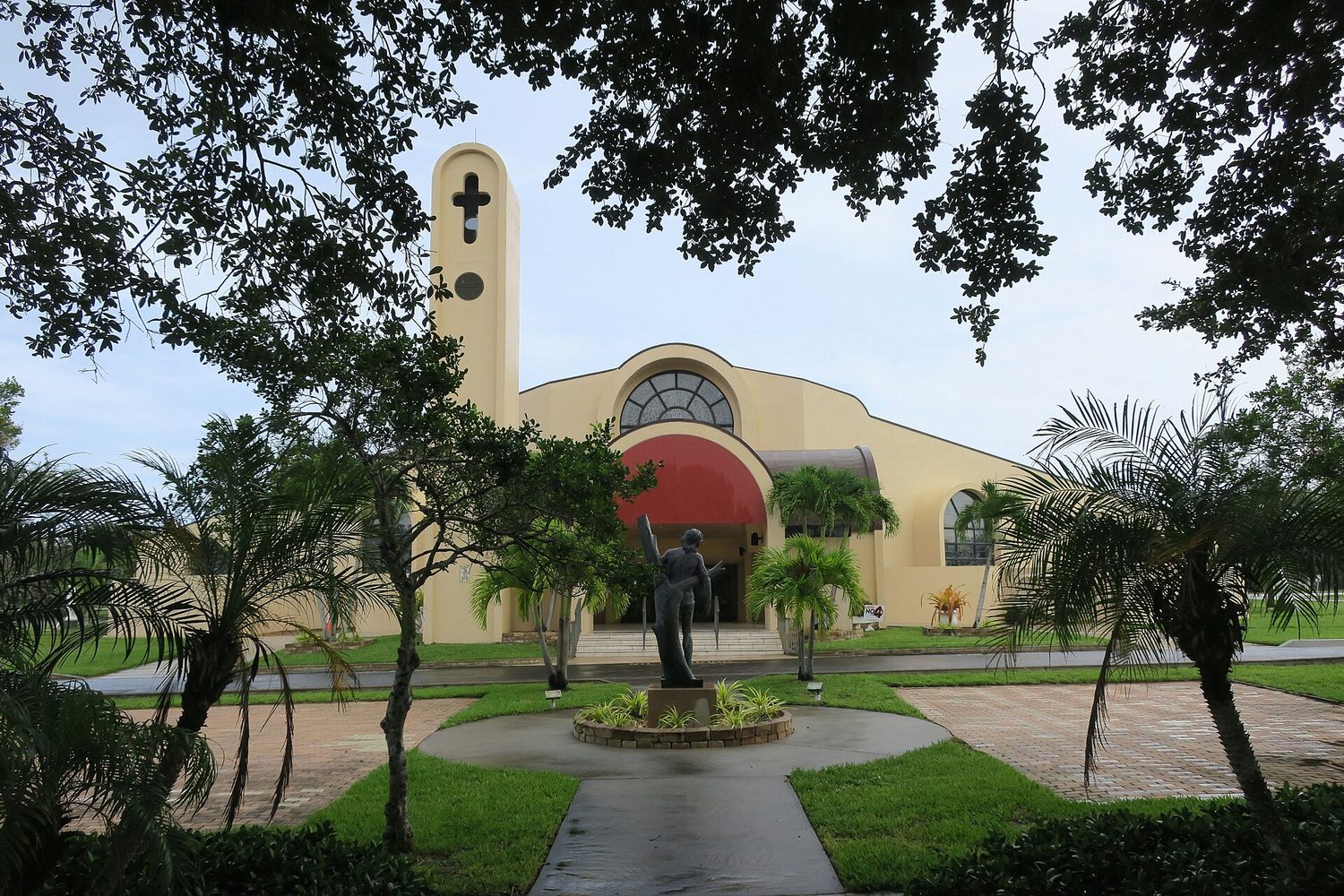
The River and the Fleet: Wildlife Where History Sank
Sebastian sits where the St. Sebastian River meets the Indian River Lagoon, a confluence that was already a fishing village in the 1870s. The Spanish treasure fleet that wrecked here in 1715 scattered more than $500 million in gold and silver across the surf—Mel Fisher’s permanent museum opened in town in 1992—but the real wealth now works the shallows. The lagoon is one of the most biodiverse estuaries in North America, and the same sandbars that tore hulls apart now host resting birds and cruising rays at every tide.
That history isn’t a backdrop; it’s the reason the wild side survives. The coast’s violent past kept development patchy, and the refuge system that started here in 1903 gave the birds a legal foothold before the state was even fully settled. What you’re looking at from the shore is a working ecosystem, not a relic.
Pelican Island National Wildlife Refuge: The First Refuge and Nearby Viewing Spots
In 1903, President Theodore Roosevelt designated Pelican Island as the first National Wildlife Refuge in the United States. That single act—protecting a few acres of mangrove from plume hunters—set the pattern for every refuge that followed. From the mainland, you can’t walk onto the island, but you can see it clearly from the water and from several shore points.
Riverview Park, at US-1 and County Road 512, sits right on the river and offers one of the best land-based sightlines. North County Regional Park, off Fellsmere Road, covers more ground and gives you a different angle on the same estuary system. Both work as starting points for a morning of birding without needing a boat.
Paddling and Boating: Best Ways to See Wildlife on the Water
The lagoon rewards people who go slow. Sebastian Watercraft Rentals, on Indian River Drive, and Salty’s Water Sports & Boat Rental, at the 806 Indian River Drive slips, both get you onto the water for a self-guided look. Just In Time Jet Ski & Boat Rentals, further north on Indian River Drive, covers the faster end of the spectrum. East Coast Tiki Tours runs from the same slip as Salty’s and moves at a pace that suits wildlife watching.
Whatever you choose, the rule is distance. The lagoon’s grass flats and mangrove edges are nurseries for fish, crabs, and birds; a boat wake or a close approach undoes hours of feeding. Idle through shallow zones, stay in marked channels, and let the animals set the terms.
Land-Based Lookouts: Best Parks for Wildlife Viewing in Sebastian
If you want to stay dry, the parks do the work for you. Rock City Gardens, on US-1, mixes planted gardens with natural hammock and marsh edges—good for songbirds and wading birds alike. Sebastian Storm Water Park, on Englar Drive, is a managed wetland that pulls in herons, egrets, and the occasional alligator. A Tree 4 Me, on Main Street, is small but dense with native plantings that attract migrants.
Sebastian Barber Street Sports Complex and Hardee Park, both on Barber Street, have open green space that edges into natural habitat. Schumann Drive Park, Park Place, and Sebastian Skate Park round out the list—less wild, but fine for a quick stop. Tractor Supply Co. is listed as a park in some directories, but it’s a retail store; don’t go there expecting refuge views.
| Top Wildlife-Viewing Parks in Sebastian at a Glance | |
|---|---|
| Park | What to Look For |
| Riverview Park | Wading birds at low tide, ospreys, dolphins in the channel |
| North County Regional Park | Raptors, marsh birds, migratory songbirds in the interior |
| Rock City Gardens | Songbirds, butterflies, herons along the garden edges |
| Sebastian Storm Water Park | Egrets, ibis, alligators in the managed wetland |
| A Tree 4 Me | Migratory warblers and native plant pollinators |
Seasonal Wildlife in Sebastian: When to See Manatees, Birds, and More
Winter brings the migrants. From November through March, ducks, loons, and grebes move into the lagoon, while songbirds pile into the hammocks. Nesting season for herons, egrets, and pelicans runs roughly from February through June, with rookeries most active in the spring. Manatees are year-round but more visible in cooler months when they gather in warm-water pockets.
The seasons also shape the human calendar. Sebastian’s median age is 57.6 years, and with 774 homes held for seasonal or recreational use out of 12,891 total units, the town swells in the winter and quiets in the summer. If you want fewer people and active birdlife, come in early spring—migrants are still passing through, but the snowbirds are heading home.
The Sebastian Clambake Lagoon Festival, held at Riverview Park in early November, adds a cultural layer to the wildlife calendar. Three days of seafood booths and historical re-enactments, run by the Sebastian Clambake Foundation, which has given more than $1,000,000 to local charities since 2002. It’s a good moment to see the river with the town’s history on display.
Leave No Trace: Etiquette for the Wild Side
The animals here are wild, and the refuge system that protects them depends on visitors behaving. Keep dogs leashed—Sebastian Florida Bark Park is the place for off-leash play, not the refuge edges. Stay on trails and boardwalks; the marsh is fragile and full of nests. Never feed wildlife, and keep a respectful distance from everything, especially manatees and dolphins.
The same coast that swallowed the 1715 fleet now shelters the first refuge in America. Look at it that way, and the birds are the real treasure.
Common questions
- Where can I see wildlife near Sebastian?
- Riverview Park, North County Regional Park, and Rock City Gardens are your best bets. These parks offer natural habitats along the Indian River and inland areas. Pelican Island, the first National Wildlife Refuge, is also nearby, though it's not listed among the businesses.
- Is there a good place to watch birds in Sebastian?
- Yes, Riverview Park and North County Regional Park are rated 4.7 for nature and provide excellent birdwatching along the river and wetlands. Pelican Island, the first National Wildlife Refuge since 1903, is a short distance away and is a prime spot for pelicans and other shorebirds.
- Can I rent a kayak or boat to explore wildlife areas?
- Yes, several rental services operate on the Indian River. Just In Time Jet Ski & Boat Rentals has a 4.9 rating, and Sebastian Watercraft Rentals is rated 4.8. East Coast Tiki Tours offers guided tours. These are great ways to access the river's wildlife.
- Are there any parks with nature trails in Sebastian?
- Riverview Park and North County Regional Park both have natural areas with trails, rated 4.7. Rock City Gardens, rated 4.6, also offers scenic walks. These are the top choices for hiking and observing local flora and fauna.
- What wildlife can I expect to see around Sebastian?
- Expect to see a variety of birds, including pelicans, herons, and egrets, especially near the Indian River Lagoon. Manatees and dolphins are common in the water. The area's parks and waterways support diverse coastal and estuarine life.
- Is Sebastian good for a family nature outing?
- Absolutely. Riverview Park and North County Regional Park are family-friendly with open spaces and nature. Sebastian Florida Bark Park is great for dogs. The Sebastian Clambake Lagoon Festival at Riverview Park in November also offers a kids zone and seafood.
Every business named above is one we hold a listing for, and every date traces to a source on our sources page. We do not describe menus, interiors or service we have not verified. Details change — confirm before you travel.