Guides · Sebastian, Florida
What Is Sebastian, Florida Known For? Treasure & Refuge
**What Is Sebastian Known For?**
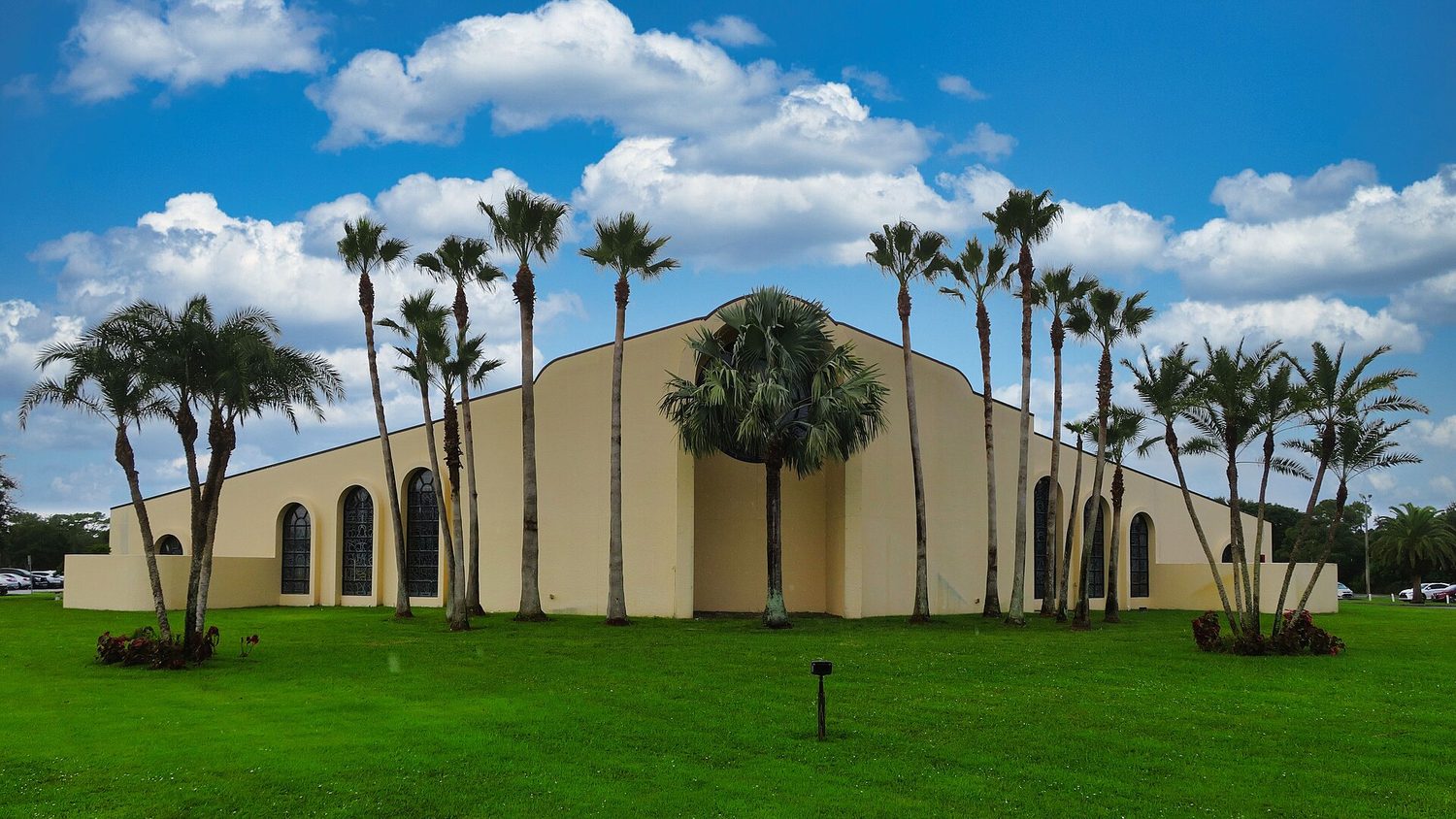
A single stretch of Florida coast where a hurricane's $500 million loss in 1715 and a president's 1903 bird refuge decision meet to define a town's character.
The 1715 Fleet: Why This Coast Is Named for a Hurricane
On the last day of July 1715, a fleet of Spanish treasure ships sailing from Havana to Cadiz ran into a hurricane off this coast. Eleven of twelve vessels went down between present-day Sebastian and Fort Pierce. The loss—gold, silver, and emeralds destined for the Spanish crown—has been estimated at more than US$500 million in today's value. Salvors recovered much of it in the following years, but the sea kept its share.
The wreck changed the map. The coast took its name from the disaster: the Treasure Coast. Sebastian, sitting at the northern edge of that wreck zone, carries the story in its identity. The hurricane that scattered a fleet also scattered the area's historical fortune—not as a pirate's hoard, but as a documented maritime tragedy with a measurable economic figure attached to it.
Pelican Island: The Refuge That Started It All
Three miles north of Sebastian's center, a three-acre island in the Indian River Lagoon became the first National Wildlife Refuge in the United States in 1903. President Theodore Roosevelt signed the executive order after plume hunters had nearly wiped out the brown pelicans and other wading birds that nested there.
The significance for Sebastian is structural: the refuge system that now spans the country began on this town's shoreline. Pelican Island remains closed to public landing to protect nesting birds, but the observation platform at the refuge's mainland entrance gives visitors a view of the same colony Roosevelt acted to save. The refuge is not a side attraction—it is the reason the federal government created a new category of protected land, and it happened here.
A Fishing Village That Became a City
Before the treasure fleet and the refuge, Sebastian was a fishing village. By the 1870s, settlers worked the confluence of the St. Sebastian River and the Indian River Lagoon, catching fish and shipping them north. The town was established in 1882 and named for Saint Sebastian. When the municipality incorporated on 6 December 1924 and became a city on 18 May 1925, the town dropped the "St."—but the river kept it.
That split identity persists. You live in Sebastian, but you fish the St. Sebastian River. The naming history is a small detail that reveals how the area's layers accumulated: a saint's name, a shortened town name, a river that refused to change.
Mel Fisher's Museum: Where the Treasure Lives
Mel Fisher, the salvager who found the 1715 fleet's sister wreck, the Atocha, off Key West, opened a permanent museum in Sebastian in 1992. The museum houses artifacts recovered from the 1715 fleet—coins, navigational instruments, personal items—that put the hurricane's human cost on display.
The museum anchors the treasure story in a physical place. Rather than abstract talk of lost gold, visitors see what the salvors brought up from the sand. Fisher's Sebastian operation continues to work the 1715 wreck sites under state contract, which means the museum is not a static exhibit; it is the headquarters of ongoing recovery. The treasure is not buried—it is being raised, catalogued, and displayed a few blocks from the beach where the fleet went down.
Sebastian Today: Numbers Behind the Shoreline
The census data draws a clear picture of who lives here now. The population is 25,759, with a median age of 57.6 years—a retiree-heavy community. The economic profile is mixed: median household income is $68,863, and the unemployment rate sits at 8.5 percent. Median home value is $281,700, and median gross rent is $1,414.
Housing data shows the seasonal character of the coast. Of 12,891 total housing units, 774 are held for seasonal or recreational use, and 1,379 are vacant—a pattern typical of a town where winter visitors and part-time residents shape the real estate market. Educational attainment is moderate: 29.5 percent of residents hold a bachelor's degree or higher.
Sebastian at a Glance: Key Census Figures
| Measure | Value |
|---|---|
| Population | 25,759 |
| Median age | 57.6 years |
| Median household income | $68,863 |
| Median home value | $281,700 |
| Median gross rent | $1,414 |
| Unemployment rate | 8.5 percent |
| Bachelor's degree or higher | 29.5 percent |
| Total housing units | 12,891 |
| Seasonal or recreational homes | 774 |
| Vacant housing units | 1,379 |
The Clambake: A Modern Tradition on the River
In early November, the Sebastian Clambake Lagoon Festival takes over Riverview Park on the Indian River for three days. The event features seafood booths, historical re-enactments, a kids zone, and live music at the Clammer Jam. The Sebastian Clambake Foundation, founded in 2002, has given more than $1,000,000 back to local charities since its inception.
The festival ties to local history by staging re-enactments of the era that shaped the town—the fishing village years, the wreck salvage attempts, the refuge founding. It is a modern gathering that keeps the past visible, and it funnels its proceeds back into the community that hosts it.
What Sebastian is known for, then, is not one thing. It is the collision of a 1715 hurricane's wreckage and a 1903 conservation decision on the same shoreline—a town where the treasure fleet's loss and the nation's first bird refuge both happened within sight of each other. The gold and the pelicans share the coast.
Common questions
- What is Sebastian known for?
- Sebastian is known for the 1715 Spanish treasure fleet wrecked offshore, with losses over $500 million, and for Pelican Island, the first U.S. National Wildlife Refuge (1903). The Mel Fisher museum, open since 1992, anchors the treasure story.
- Where can I see treasure from the 1715 fleet?
- Visit the Mel Fisher Treasure Museum in Sebastian, established in 1992. It displays artifacts and coins recovered from the fleet lost in the 1715 hurricane. The museum is the permanent home for much of that history.
- Is there a wildlife refuge near Sebastian?
- Yes, Pelican Island, just north of Sebastian, was declared the first National Wildlife Refuge in the United States in 1903. It's a key bird-nesting site and a significant piece of conservation history.
- When was Sebastian founded?
- Sebastian was established in 1882 as a fishing village, incorporated as a municipality on December 6, 1924, and became a city on May 18, 1925. The name comes from Saint Sebastian; the river kept the 'St.'
- What is the Sebastian Clambake Lagoon Festival?
- It's a three-day event in early November at Riverview Park on the Indian River. Features seafood booths, historical re-enactments, a kids zone, and the Clammer Jam. The foundation, started in 2002, has donated over $1,000,000 to local charities.
- What is the median home value in Sebastian?
- The median home value is $281,700, with a median gross rent of $1,414. The population is 25,759, with a median age of 57.6 years. About 29.5% of residents hold a bachelor's degree or higher.
Every business named above is one we hold a listing for, and every date traces to a source on our sources page. We do not describe menus, interiors or service we have not verified. Details change — confirm before you travel.