Guides · Sebastian, Florida
Sebastian vs Vero Beach: Which Florida Coast to Visit
Sebastian trades beachfront polish for a working waterfront and the deep wrecks of the 1715 fleet. It’s the choice for travelers who want Florida’s coast with its history intact.
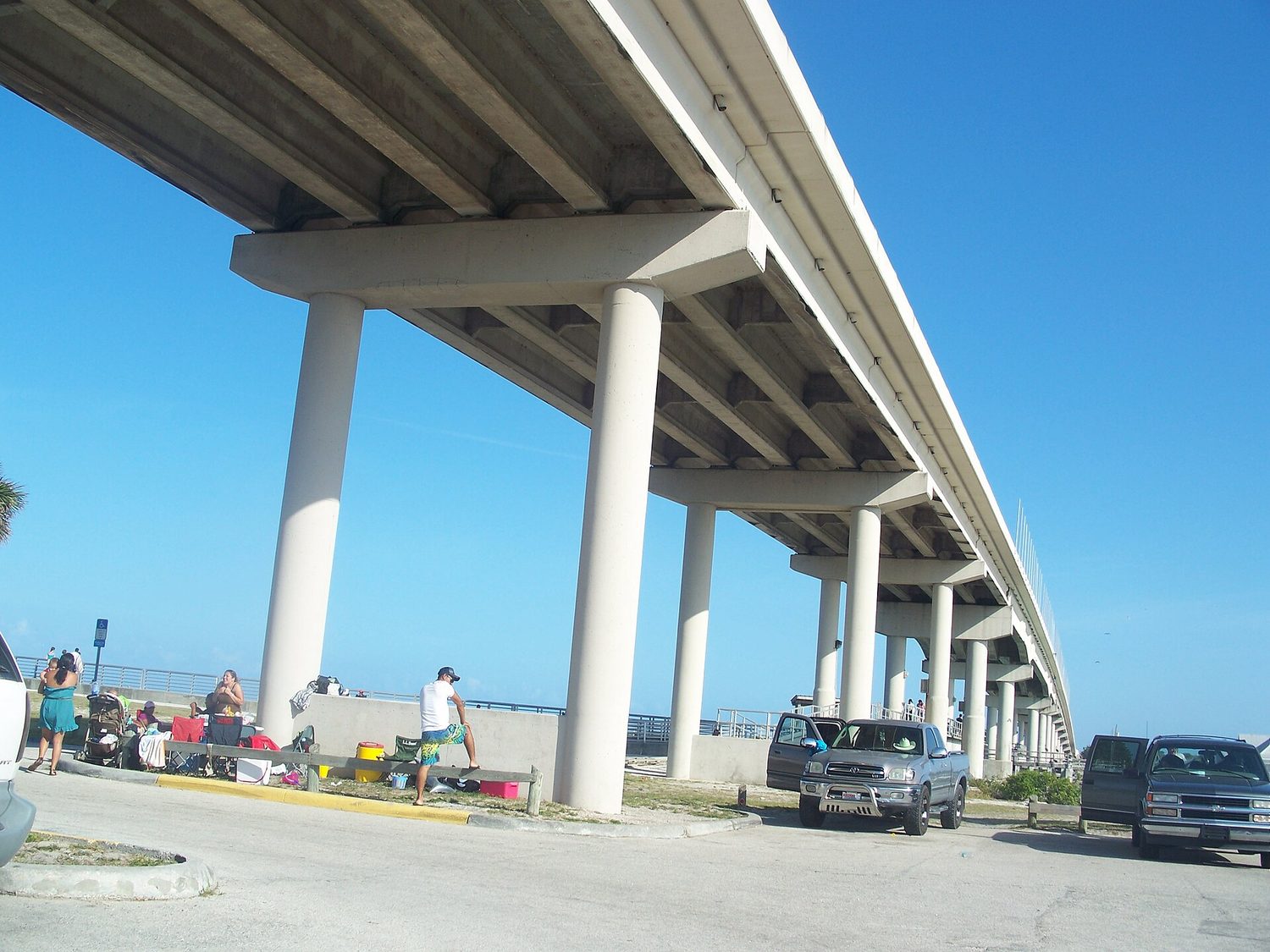
Sebastian vs. Vero Beach: Two Florida Coast Personalities
Drive the barrier islands and you will feel the shift. Vero Beach runs on resorts, golf, and a curated riverfront. Sebastian runs on fishing boats, bait shops, and a lagoon that has been worked, not just admired, for more than a century. The settlement was a fishing village as early as the 1870s, at the confluence of the St. Sebastian River and the Indian River Lagoon. That identity has not been scrubbed away. Where Vero Beach offers a manicured escape, Sebastian offers a working waterfront—one where the past is not a theme but a daily presence.
| Aspect | Sebastian | Vero Beach |
|---|---|---|
| Founding character | 1870s fishing village, named for Saint Sebastian | Resort and citrus town, polished riverfront |
| Primary draw | 1715 wreck history, Pelican Island refuge, working lagoon | Beaches, golf, shopping, dining |
| Historical anchor | Mel Fisher Museum, first National Wildlife Refuge | Orchid Island, historic downtown shops |
| Pace | Laid-back, functional, unhurried | Refined, amenity-driven, visitor-oriented |
| Best for | History lovers, anglers, birders, quiet travelers | Beach vacationers, resort seekers, shoppers |
1715 Fleet Wrecks: Sebastian's Underwater History
On a July night in 1715, a hurricane caught the Spanish treasure fleet off this coast. Eleven of twelve ships went down. The loss has been estimated at more than US$500 million in silver, gold, and emeralds—much of it still scattered on the seafloor. The coast has carried the name ever since. That is not a legend; it is a fact of the shoreline. The definitive place to confront it is the Mel Fisher Museum, established in Sebastian in 1992. It holds actual salvaged artifacts from the wrecks—coins crusted with centuries of salt, navigation tools, and pieces of the fleet itself. No pirate pageantry, no theme-park theatrics. Just the real remnants of a disaster that reshaped this coastline’s identity.
Pelican Island: America's First Wildlife Refuge
Three miles off Sebastian’s shore sits a low mangrove island that changed American conservation. In 1903, Pelican Island was declared the first National Wildlife Refuge in the United States. The reason was simple: pelicans were being slaughtered for their feathers, and the island was their last stronghold. That designation created the entire National Wildlife Refuge System. Today, the island itself is closed to visitors to protect the birds, but the Pelican Island National Wildlife Refuge complex on the mainland offers trails and observation points. This is the quiet core of Sebastian’s appeal—not a beach with umbrellas, but a living sanctuary that predates every conservation agency in the country.
Things to Do in Sebastian: Fishing, Festivals, and Lagoon Life
Sebastian is not a destination for lounging on a towel. It is a destination for doing things with your hands and your eyes. The fishing heritage is everywhere: the river, the lagoon, and the inlet are working waters, and the town’s rhythm follows tides more than tourist seasons. For a scheduled event, the Sebastian Clambake Lagoon Festival runs three days at Riverview Park on the Indian River in early November. It includes seafood booths, historical re-enactments, a kids zone, and the Clammer Jam. The Sebastian Clambake Foundation, founded in 2002, has given more than $1,000,000 back to local charities—so your clams buy more than a meal. The rest of the time, the activity is the lagoon itself: kayak the mangroves, fish the inlet, or just watch the water move.
Where to Stay in Sebastian and How Long to Visit
The demographics tell you what kind of town this is. The median age is 57.6 years; the median household income is $68,863. Of 12,891 housing units, 774 are held for seasonal or recreational use, and 1,379 sit vacant—so this is a place of permanent residents, not a rental machine. The median home value is $281,700, and the median gross rent is $1,414. The unemployment rate is 8.5 percent. What that means for you: Sebastian is a lived-in town, not a resort overlay. Plan two days—one for the Mel Fisher Museum and the mainland refuge trails, one for the lagoon and a slow meal near the river. If you want more, use it as a base for day trips: Okeechobee is 44 miles away for the Speckled Perch Festival and Parade, Stuart is 44 miles for the Stuart Boat Show, and Sanford’s Porchfest is 89 miles north. But the core experience is here, on the water where the wrecks went down.
Sebastian vs. Vero Beach: Which Should You Choose?
Choose Sebastian if you want history with salt on it. Choose it if the idea of the first National Wildlife Refuge matters more than a beach chair. Choose it if you would rather stand on a shore where a $500 million fleet was lost than walk a boardwalk of boutiques. Vero Beach is the better fit for resort vacations, golf, and shopping. Sebastian is for the traveler who wants to know what this coast was before it was polished—a fishing village, a wreck site, a refuge. If that is you, skip the resort. Come to Sebastian and let the lagoon and the wrecks do the talking.
Common questions
- What happened to the 1715 Spanish fleet near Sebastian?
- A hurricane sank the 1715 Spanish treasure fleet off this coast, with losses estimated at more than US$500 million. The coastline has been named for the wreck ever since, and Mel Fisher opened a permanent museum in Sebastian in 1992 to display recovered artifacts.
- Is there a museum in Sebastian for the treasure fleet?
- Yes, the Mel Fisher treasure museum, established in Sebastian in 1992, is dedicated to the 1715 fleet. It's the permanent home for artifacts from the wreck, giving you a direct look at the history without the pirate theatrics.
- What is Pelican Island and why is it important?
- Pelican Island, declared the first National Wildlife Refuge in the United States in 1903, is just off Sebastian's coast. It's a critical bird sanctuary and a cornerstone of American conservation—worth visiting for its natural significance, not just as a beach stop.
- When was Sebastian founded and how did it get its name?
- Sebastian was established in 1882, incorporated as a municipality on 6 December 1924 and as a city on 18 May 1925. It was named St. Sebastian for Saint Sebastian, but the town later dropped the St., while the river kept it.
- What's the Sebastian Clambake Lagoon Festival like?
- It's a three-day event at Riverview Park on the Indian River in early November, featuring seafood booths, historical re-enactments, a kids zone, and the Clammer Jam. The Sebastian Clambake Foundation, founded in 2002, has given over $1,000,000 to local charities.
- How does Sebastian compare to Vero Beach for a visit?
- Sebastian is a smaller, history-focused town with a median age of 57.6 and a slower pace, while Vero Beach offers more commercial amenities. Sebastian's draw is its 1715 fleet heritage and Pelican Island refuge, making it ideal for those seeking substance over resort-style convenience.
Every business named above is one we hold a listing for, and every date traces to a source on our sources page. We do not describe menus, interiors or service we have not verified. Details change — confirm before you travel.