Guides · Sebastian, Florida
Half a Day in Sebastian, FL: Refuge, Shipwreck & Food
Sebastian gives you two stories in one stretch of water: a treasure fleet that vanished in a hurricane and a bird refuge that became the model for American conservation.
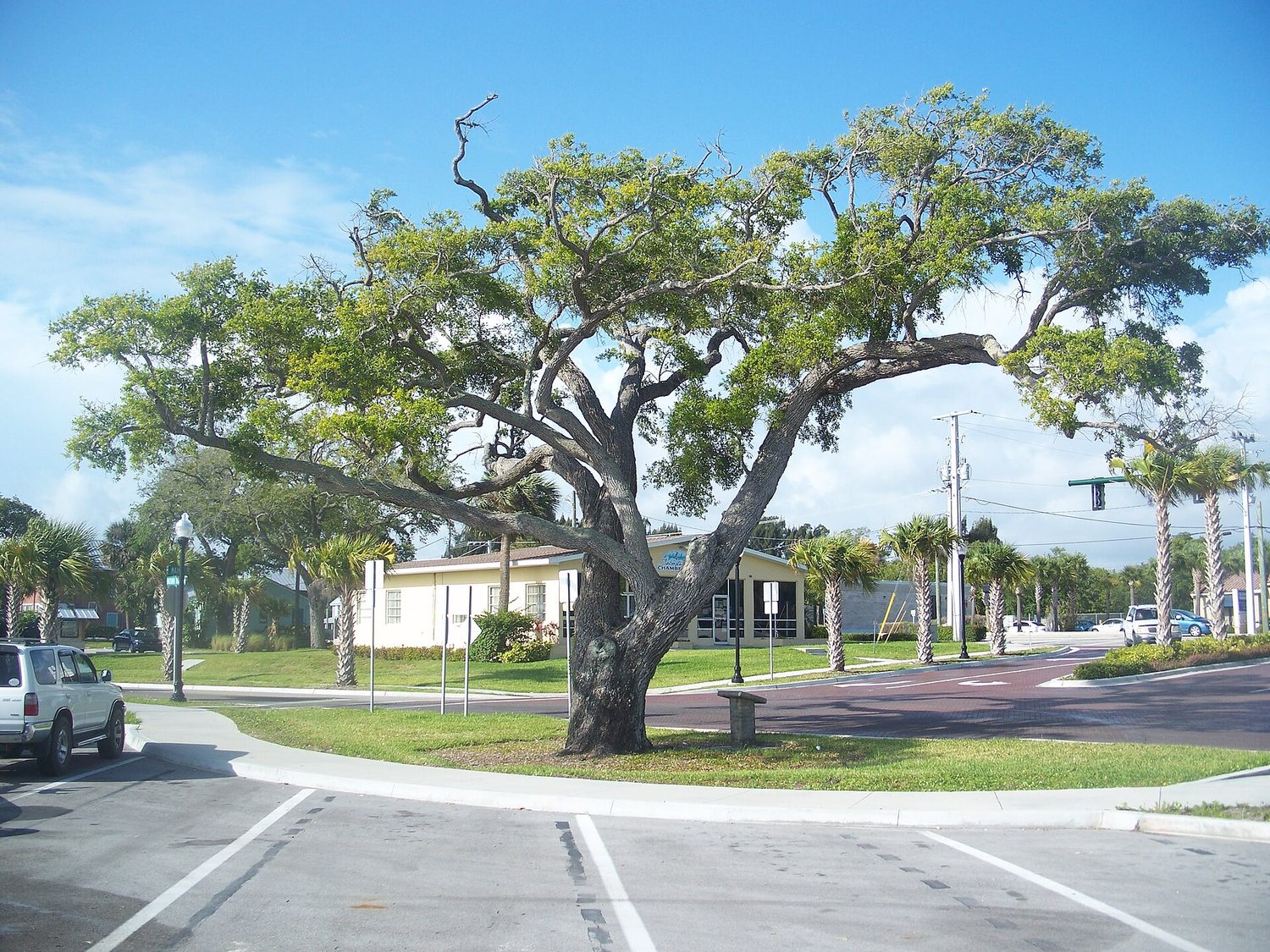
Visit Pelican Island: America's First Wildlife Refuge
Begin at Pelican Island, declared the first National Wildlife Refuge in the United States in 1903. It is not a theme park; it is a protected nesting ground, and the approach matters more than the destination. Find the observation area on the Indian River Lagoon, scan for brown pelicans, wood storks, and herons, and let the stillness set the tone. This is the counterweight to the gold rush narrative—a place where the value was never lost, only protected. The island's significance is not decorative; it created the entire National Wildlife Refuge system. A quiet half-hour here reorients the day.
1715 Treasure Fleet: History at Mel Fisher's Museum
On 31 July 1715, a hurricane drove the Spanish treasure fleet onto the reefs off this coast. Eleven ships went down. The estimated loss surpassed US$500 million in silver, gold, and cargo, scattered along the sand and surf that now carry the coastline's name. The story is anchored in Sebastian at the Mel Fisher museum, opened in 1992, where recovered artifacts—coins, navigational tools, ship hardware—are on display. This is the place to answer the practical question: what exactly happened, and where can I see what was found? The museum tells the fleet's arc from departure to disaster to salvage, and it is the only permanent exhibition of its kind in town.
Sebastian's Character: A Working Fishing Town, Not a Resort
Sebastian was a fishing village as early as the 1870s, set where the St. Sebastian River meets the Indian River Lagoon. The settlement took its name from Saint Sebastian; the town later dropped the "St." but the river kept it. The town was established in 1882, incorporated as a municipality on 6 December 1924, and became a city on 18 May 1925. The census data underscores the character: a median age of 57.6 years, a median household income of $68,863, and 774 housing units held for seasonal or recreational use out of 12,891 total. This is not a transient resort town; it is a place people live in, fish from, and return to. The pace is deliberate, and the water is the reason.
Best Places to Eat in Sebastian: Local Picks
Meals cluster along US-1 and Sebastian Blvd, and the ratings separate the dependable from the forgettable. For breakfast, Country Ham N Egg Restaurant (4.5 from 1,827 reviews) is the highest-rated morning stop. For lunch, Ay Jalisco Sebastian (4.4 from 2,256 reviews) offers a solid Mexican option, or Sebastian's Roadside Restaurant (4.4 from 1,577 reviews) for a straightforward American meal. The standout across any meal is JT's Corner Diner (4.7 from 887 reviews), the best-rated restaurant in the group. Mulligan's Beach House (4.1 from 3,176 reviews) sits on Indian River Dr for a water-adjacent dinner, while Woody's Bar-B-Q (4.3 from 1,175 reviews) covers the barbecue craving. Skip the chains unless convenience wins; McDonald's (3.6) and Wendy's (3.5) are there, but they are not why you came.
| Meal / Mood | Restaurant (Rating) |
|---|---|
| Best-rated breakfast | Country Ham N Egg Restaurant (4.5) |
| Quick, reliable lunch | Ay Jalisco Sebastian (4.4) |
| Top overall pick | JT's Corner Diner (4.7) |
| Waterfront dinner | Mulligan's Beach House (4.1) |
| Barbecue craving | Woody's Bar-B-Q (4.3) |
Extend Your Stay: Sebastian Clambake and Nearby Day Trips
If you are staying longer, build a visit around the Sebastian Clambake Lagoon Festival, three days at Riverview Park on the Indian River in early November. It features seafood booths, historical re-enactments, a kids zone, and the Clammer Jam; the Sebastian Clambake Foundation, founded in 2002, has given more than $1,000,000 back to local charities. For a day trip, Okeechobee (44 miles) hosts the Speckled Perch Festival and Parade, and Stuart (44 miles) runs the Stuart Boat Show—both reasonable extensions for visitors who want more water, but neither carries the same historical weight as Sebastian's own coastline.
A half-day in Sebastian is best spent in sequence: refuge first, museum second, meal third. The water tells both stories—what was lost and what was saved—and the town's quiet, working character makes the contrast clear.
Common questions
- What happened to the 1715 Spanish treasure fleet?
- A hurricane sank the fleet off this coast in 1715. The loss is estimated at more than US$500 million. Mel Fisher opened a permanent museum in Sebastian in 1992, where you can see recovered artifacts.
- Where can I see treasure from the 1715 fleet?
- Visit the Mel Fisher treasure museum in Sebastian, established in 1992. It displays artifacts from the wreck. The museum is the main place to see the fleet's history in town.
- What is Pelican Island and why is it important?
- Pelican Island, declared the first National Wildlife Refuge in the United States in 1903, is nearby. It's a key spot for birdwatching and conservation history. You can view it from the shore or take a boat tour.
- What are good places to eat in Sebastian?
- Top-rated spots include JT's Corner Diner (4.7 stars), Country Ham N Egg Restaurant (4.5), and Ay Jalisco Sebastian (4.4). For seafood, Mulligan's Beach House is a popular choice with over 3,000 reviews.
- When is the Sebastian Clambake Lagoon Festival?
- It's held in early November at Riverview Park on the Indian River. The three-day event features seafood booths, historical re-enactments, a kids zone, and the Clammer Jam. Since 2002, it has given over $1,000,000 to local charities.
- How old is Sebastian and when was it founded?
- Sebastian was a fishing village as early as the 1870s, established in 1882, and incorporated as a city in 1925. It was named for Saint Sebastian, though the town later dropped the 'St.'
Every business named above is one we hold a listing for, and every date traces to a source on our sources page. We do not describe menus, interiors or service we have not verified. Details change — confirm before you travel.