Guides · Sebastian, Florida
Getting to Sebastian, Florida: A Visitor's Guide
Sebastian is a working waterfront first, a beach town second. A 1715 hurricane and the nation's first wildlife refuge shape this landscape more than any resort ever could.
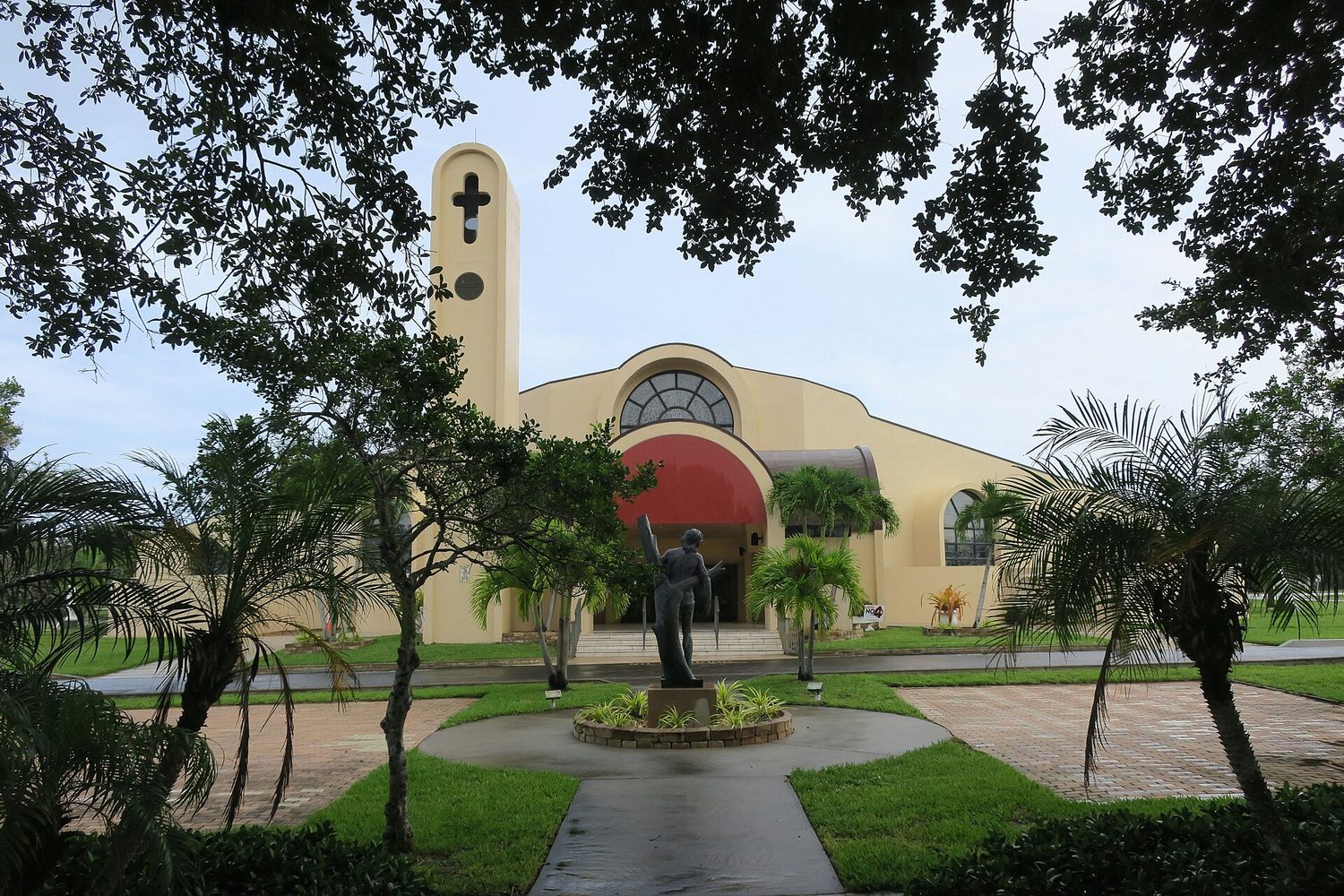
How Sebastian Got Its Name: River, Wreck, and History
The settlement started as a fishing village in the 1870s, at the confluence of the St. Sebastian River and the Indian River Lagoon. The town was established in 1882 and named for Saint Sebastian, keeping the "St." until the municipality later dropped it—though the river kept it. Incorporated as a municipality on 6 December 1924 and as a city on 18 May 1925, Sebastian grew out of the water, not the surf.
The coast's other name comes from a storm. In 1715, a hurricane drove the Spanish treasure fleet onto these shoals. The value lost has been estimated at more than US$500 million. That wreck gave the coast its enduring label: the 1715 Fleet. The gold is still coming ashore, but the story here is about salvage and history, not pirate lore.
Pelican Island: America's First Wildlife Refuge Near Sebastian
Just offshore, Pelican Island became the first National Wildlife Refuge in the United States in 1903. It was set aside to protect nesting birds from plume hunters, and the idea caught on—today, refuges stretch across the country. To visit, head to the Pelican Island National Wildlife Refuge complex on the mainland; you'll see the island from the observation deck, a short path that puts the refuge's history in plain view. One coast, two kinds of recovery.
Mel Fisher's Treasure Museum: See Real 1715 Fleet Gold
For the tangible proof, go to the Mel Fisher Treasure Museum, opened in Sebastian in 1992. It anchors the town's treasure narrative without pirate theatrics: real coins, real artifacts, real salvage history. Fisher's name is synonymous with the 1715 fleet, and the museum is where that legacy lands. Can you see the treasure? Yes. It's here.
Sebastian's Working Waterfront: Fishing, Clams, and the Lagoon
The fishing-village roots still show. The Indian River Lagoon runs along the town, and the working waterfront remains a live part of the economy. The annual Sebastian Clambake Lagoon Festival leans into that identity: three days at Riverview Park in early November, with seafood booths, historical re-enactments, a kids zone and the Clammer Jam. The Sebastian Clambake Foundation, founded in 2002, has given more than $1,000,000 back to local charities. A community event with a working-waterfront soul.
Sebastian's Demographics: A Retiree Haven with a Working Core
The census tells the story plainly. Sebastian's population is 25,759, with a median age of 57.6—a retiree-heavy profile. Housing reflects that: 12,891 total units, with 774 held for seasonal or recreational use and 1,379 vacant. The median home value is $281,700; median gross rent is $1,414. The economy is mixed: median household income is $68,863, and the unemployment rate sits at 8.5 percent. Education levels are moderate—29.5 percent hold a bachelor's degree or higher. For visitors: this is a town where people live, not a resort staging ground. The working core is still visible beneath the seasonal surface.
Sebastian at a Glance: Key Census Numbers
| Measure | Figure |
|---|---|
| Population | 25,759 |
| Median age | 57.6 years |
| Total housing units | 12,891 |
| Homes held for seasonal or recreational use | 774 |
| Vacant housing units | 1,379 |
| Median home value | $281,700 |
| Median gross rent | $1,414 |
| Median household income | $68,863 |
| Bachelor's degree or higher | 29.5% |
| Unemployment rate | 8.5% |
Day Trips from Sebastian: Okeechobee, Stuart, and Beyond
Sebastian works as a base, too. Okeechobee, 44 miles away, hosts the Speckled Perch Festival and Parade. Stuart, also 44 miles out, runs the Stuart Boat Show. Farther afield: Oviedo (78 miles) has Great Day in the Country, Altamonte Springs (88 miles) puts on Red Hot & Boom, Sanford (89 miles) offers the Sanford Porchfest, and Clermont (100 miles) closes the list with Pig on the Pond. Each is a different slice of Florida, an easy extension of a visit built around the river, the refuge and the wreck.
Common questions
- How do I get to Sebastian, Florida?
- Sebastian sits on Florida's Atlantic coast in Indian River County. By car, it's about 90 minutes from Orlando via I-95 and State Road 510. The nearest major airports are Melbourne Orlando International (about 20 miles north) and Orlando International (about 90 miles northwest).
- What is Sebastian known for historically?
- Sebastian is known for the 1715 Spanish treasure fleet, which sank in a hurricane offshore with over $500 million in lost treasure. The Mel Fisher Treasure Museum, opened in 1992, tells that story. Pelican Island, the first U.S. National Wildlife Refuge (1903), is nearby.
- Is there a museum about the treasure fleet in Sebastian?
- Yes, the Mel Fisher Treasure Museum has been in Sebastian since 1992. It displays artifacts and coins from the 1715 fleet. It's a permanent exhibit, not a temporary one. You can see real salvaged items and learn about the hurricane that sank the ships.
- What's the best time to visit Sebastian for events?
- Early November hosts the Sebastian Clambake Lagoon Festival, a three-day event at Riverview Park with seafood, historical re-enactments, and a kids zone. The foundation behind it has donated over $1,000,000 to local charities since 2002. Other times are quieter, but this is the big annual draw.
- Is Sebastian a good place for a quiet visit or day trip?
- Sebastian has a population of about 25,759, with a median age of 57.6, so it's a laid-back town. Vacant housing units are 1,379, and 774 homes are for seasonal use, so it's not crowded year-round. It's a good base for exploring the Indian River Lagoon.
- What are the demographics of Sebastian?
- The median household income is $68,863, and the median home value is $281,700. About 29.5% of residents have a bachelor's degree or higher. The unemployment rate is 8.5%. These figures come from the latest census, giving a snapshot of a middle-income, retire-friendly community.
Every business named above is one we hold a listing for, and every date traces to a source on our sources page. We do not describe menus, interiors or service we have not verified. Details change — confirm before you travel.