Guides · Sebastian, Florida
Free Things to Do in Sebastian
A town that made its name from a fortune lost at sea now offers a coastline where the best things cost nothing at all.
The Water, the Wreck, and the Walk
Sebastian’s history is written in saltwater. The 1715 Spanish treasure fleet went down in a storm off this coast, scattering silver and gold across the reef. The value lost has been estimated at more than $500 million. You can see the recovered evidence without spending a dime at Mel Fisher's Treasures, a museum at 1322 US-1 that has been permanent in Sebastian since 1992. The exhibits are a reminder that the real wealth here was never the coin—it was the current, the mangroves, and the stubborn fishing village that predated the town’s 1882 establishment.
From the museum, head north on US-1 to Riverview Park, where the St. Sebastian River meets the Indian River Lagoon. With 1,982 reviews and a 4.7 rating, it’s the most-visited free spot in town. The launch ramps are busy, the picnic tables are worn, and the view of the water is unobstructed. That’s the point. Watch the boats, not your wallet.
Parks Built for Purpose, Not Polish
Sebastian doesn’t do ornamental green spaces. It does functional ones. North County Regional Park, off Fellsmere Road, covers enough ground to lose a morning. Ball fields, open grass, and a 4.7 rating from 572 reviews. Bring a glove, not an agenda.
For a quieter stretch, Rock City Gardens on US-1 offers 360 reviews of shade and walking paths. It’s a neighborhood park that behaves like a small refuge—no frills, no entrance fee, just trees and benches. If you have a dog, Sebastian Florida Bark Park on Keen Terrace is the social hub of the canine set, rated 4.3 with 294 reviews. The dogs don’t care about the rating. They care about the run.
The Barber Street corridor is where the town’s recreation budget shows its range. Sebastian Barber Street Sports Complex and Hardee Park sit across from each other, offering baseball fields, open space, and a combined 341 reviews. Next door, Sebastian Skate Park handles the wheels-and-kneepads crowd. None of these charge admission. All of them see real use.
The Odd and the Obvious
Not every free thing in Sebastian is a park in the traditional sense. Tractor Supply Co. on County Road 512 is listed under parks and nature, which tells you something about how this town defines leisure. A feed store with 152 reviews and a 4.5 rating. You can walk the lot, look at the equipment, and leave without spending a cent. It’s not scenic. It’s honest.
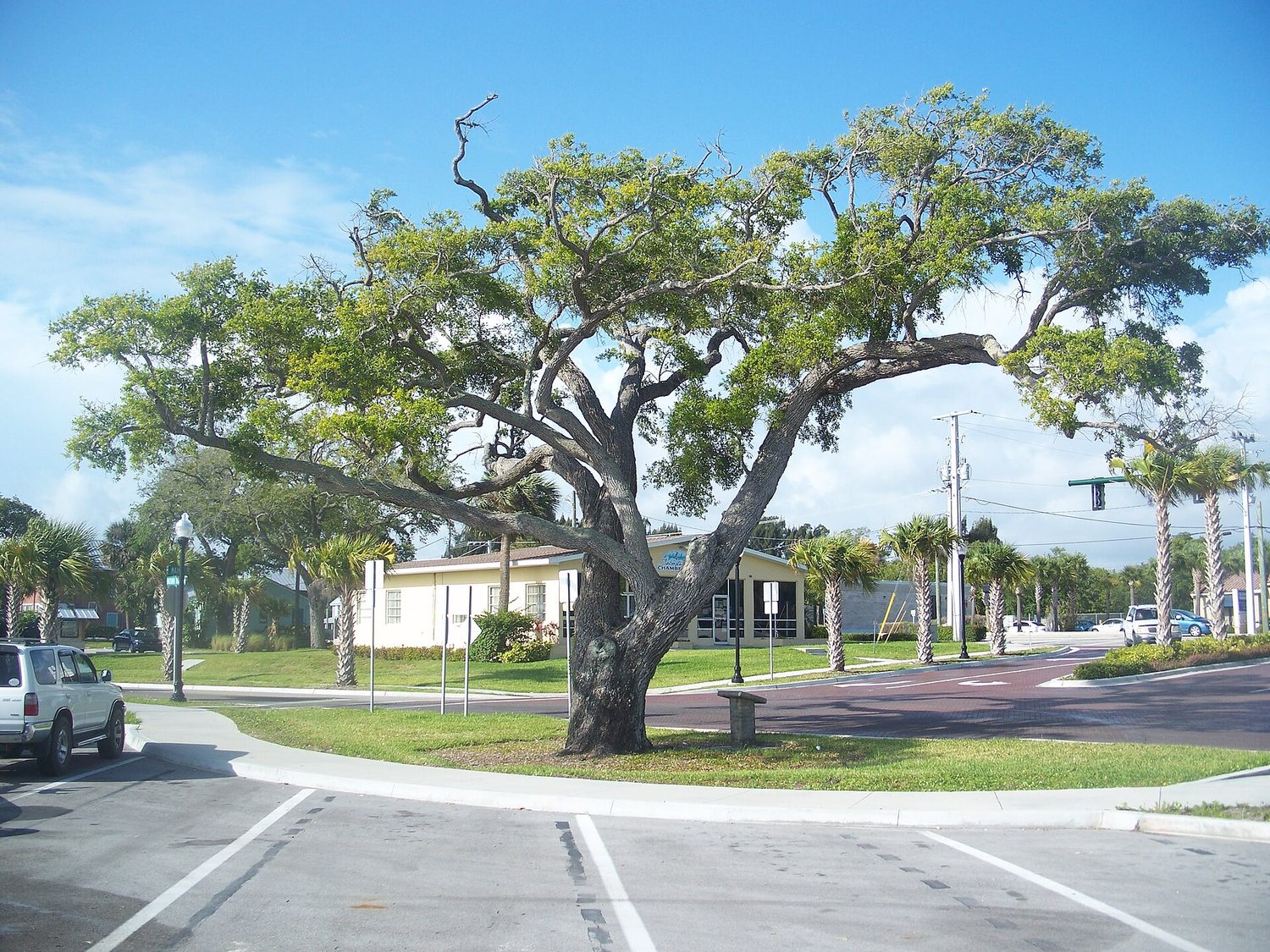
More conventional is Sebastian Storm Water Park on Englar Drive, a 4.5-rated retention area that doubles as a walking loop. The name is the giveaway: this is engineered infrastructure that happens to be pleasant. Schumann Drive Park and Park Place on Lakeview Drive are smaller, quieter, and less crowded. A Tree 4 Me on Main Street earns a 4.9 rating from just 116 reviews—the highest score on this list, for a single tree. That’s the kind of specificity Sebastian respects.
Beyond the Town Limits
Drive north on US-1 to Dale Wimbrow Park on Roseland Road, just past the town line. It’s smaller, with only 62 reviews, but it sits closer to Pelican Island—the first National Wildlife Refuge in the United States, declared in 1903. You can’t walk onto the island itself, but you can stand at the water’s edge and watch the birds that made it famous. That view costs nothing.
What the Numbers Say
Sebastian is a town of 25,759 people with a median age of 57.6. Of the 12,891 housing units, only 774 are held for seasonal or recreational use—this is not a snowbird hollow. The median household income is $68,863, and the unemployment rate sits at 8.5 percent. The median home value is $281,700. These are working numbers. The free attractions reflect that: no gimmicks, no “hidden gems,” just a town that built its public spaces for residents first.
The treasure fleet sank in 1715. The town that took its name from the river kept the "St." off the city but left it on the water. A century of fishing villages, a 1924 incorporation, and a museum that opened in 1992 later, the coast still gives more than it takes. Walk the parks, watch the lagoon, and remember: the gold was never the point. The refuge was.
Every business named above is one we hold a listing for, and every date traces to a source on our sources page. We do not describe menus, interiors or service we have not verified. Details change — confirm before you travel.