Guides · Sebastian, Florida
First Time in Sebastian: What to Know Before You Go
First-timers usually come to Sebastian for the water, but the town’s real draw is that it still behaves like the working fishing village it was a century and a half ago.
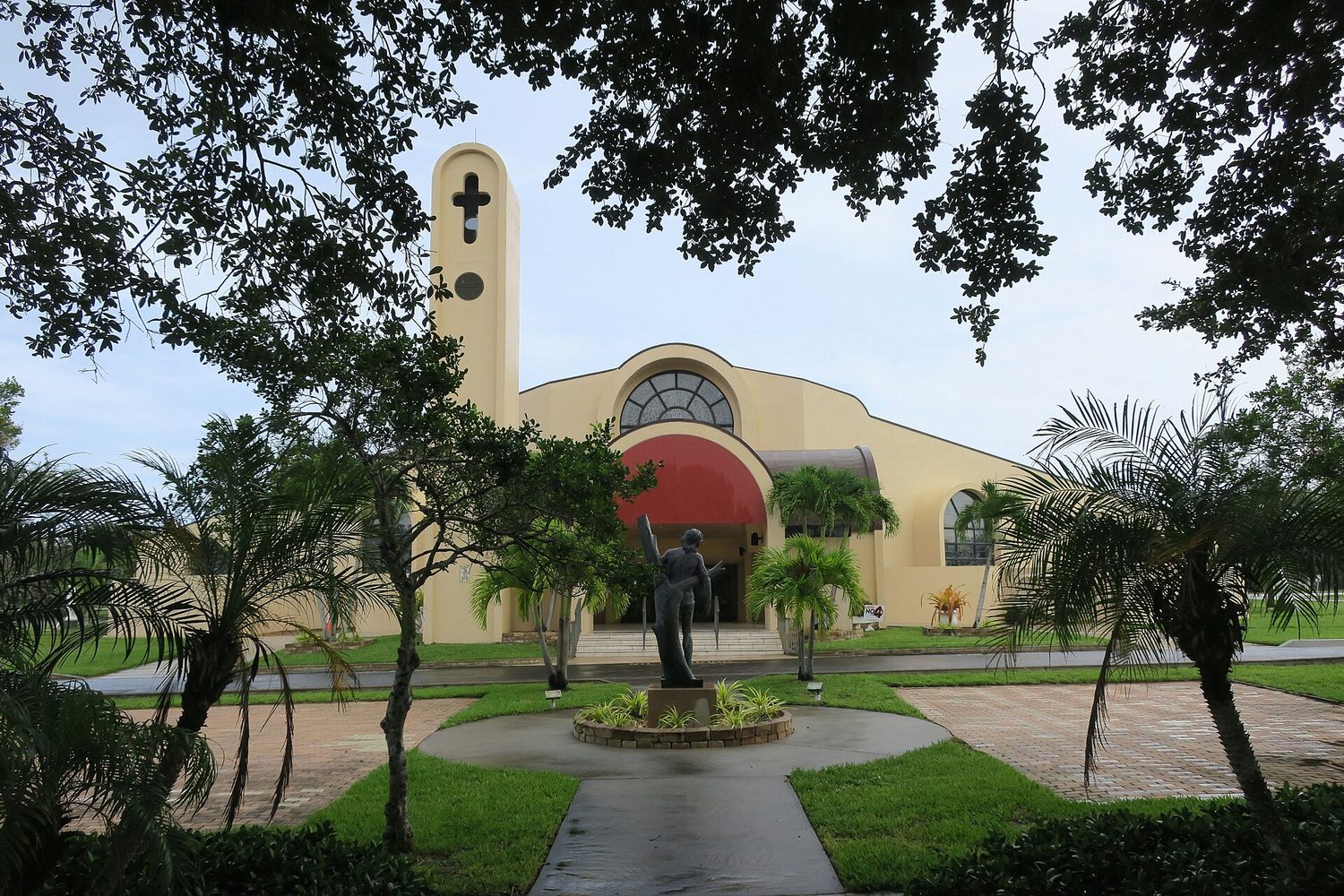
Know Where You Are
Sebastian sits where the St. Sebastian River meets the Indian River Lagoon. The settlement began as a fishing village in the 1870s, and the water remains the organizing principle of daily life here. The town was established in 1882, incorporated as a municipality on 6 December 1924, and became a city on 18 May 1925. It was named for Saint Sebastian, though the town later dropped the “St.”—the river kept it.
The median age is 57.6 years, and the population is 25,759. That skews things. This is not a spring-break town. It is a place of slow mornings, boat ramps, and retirees who know exactly which sandbar holds the best current. Plan accordingly.
The Wreck That Named the Coast
The 1715 Spanish treasure fleet went down in a storm off this coast, with losses estimated at more than US$500 million. That event gave the surrounding area its name, and it still shapes the local identity. A permanent museum dedicated to that salvage operation opened in Sebastian in 1992. You can visit it, but the more useful takeaway is simpler: the ocean here has a history of taking things. Respect the rip currents and the sudden squalls. The beach is not a swimming pool.
Where to Eat Without a Reservation
You will not need reservations anywhere in this town. Sebastian’s restaurant scene runs on counter service, laminated menus, and the kind of turnover that keeps prices sane.
For breakfast, Country Ham N Egg Restaurant on US-1 carries the highest rating in town at 4.5 from 1,827 reviews. It is the sort of place where the coffee is hot and the room fills early. If you miss the window, Pelican Diner near Brush Foot Drive holds a 4.4 from 1,045 reviews and runs a similar shift.
For lunch, Sebastian's Roadside Restaurant on US-1 holds a 4.4 from 1,577 reviews. It is exactly what the name suggests—a roadside stop that does not pretend otherwise. Ay Jalisco Sebastian on US-1 also sits at 4.4, with 2,256 reviews, and gives you a solid counterpoint to the diner circuit.
Pizza is a serious matter here. Vic's Pizza Italian Restaurant on US-1 has a 4.4 from 1,411 reviews. Giuseppe's Pizzeria & Italian Cuisine on Sebastian Boulevard holds a 4.2 from 1,245 reviews. Aunt Louise's Pizzeria on US-1 rounds out the options at 4.3 from 1,092 reviews. You can throw a stone and hit a slice in this town; the ratings are close enough that your choice should come down to location, not loyalty.
For a sit-down dinner with a view, Mulligan's Beach House on Indian River Drive is the obvious pick. It holds a 4.1 from 3,176 reviews, which is the highest review count in town. The crowd is a mix of tourists and locals who know the deck is the best seat in the house. Las Palmas Restaurant on Sebastian Boulevard offers a 4.2 from 1,208 reviews and a quieter alternative.
If you want barbecue, Woody's Bar-B-Q on US-1 holds a 4.3 from 1,175 reviews. If you want a chain, Ruby Tuesday (4.3, 2,511 reviews) and Wendy's (3.5, 1,188 reviews) are both on US-1, and McDonald's (3.6, 1,256 reviews) is there too. Dairy Queen Grill & Chill on Fellsmere Road sits at 3.8 from 972 reviews. None of these will change your life, but they are open when the local places are not.
The Refuge, Not the Gold
The single most important thing to see in Sebastian is not a restaurant. Pelican Island was declared the first National Wildlife Refuge in the United States in 1903. It is a small mangrove island, visible from the mainland, and it is the reason bird conservation exists as a federal program. You cannot walk on it—that is the point. You can view it from the observation platform, and you should.
The treasure museum gets the tourists. The refuge gets the people who understand what this coast actually means. One is about what was lost. The other is about what was saved.
The Numbers That Matter
Sebastian’s housing stock tells you how the town works. Of 12,891 total housing units, only 774 are held for seasonal or recreational use. That is about 6 percent. This is not a vacation-rental ghost town. It is a place where people live.
The median home value is US$281,700, and the median gross rent is US$1,414. The median household income is US$68,863. The unemployment rate sits at 8.5 percent, which is higher than you would like, and 29.5 percent of residents hold a bachelor’s degree or higher. The median age of 57.6 years explains the pace.
There are 1,379 vacant housing units. That number matters because it means the town has room. It is not bursting. It is not shrinking. It is holding steady, which is more than many Florida towns can claim.
How to Move Around
US-1 is the spine. Most of the restaurants and services sit along it, and it is the fastest way to get from one end of town to the other. Sebastian Boulevard runs east-west and will get you to the river. Indian River Drive hugs the water and gives you the best sense of what this place looked like before the strip malls.
Bring a bike if you can. The roads are flat, the traffic is light off US-1, and the distance from the diners to the refuge is manageable. If you are here for the fishing, the public ramps are well marked and the lagoon is forgiving.
The One Thing to Skip
Do not come to Sebastian expecting a polished beach town. The beaches are there, but they are not the main event. The main event is the lagoon, the river, the refuge, and the quiet insistence that this town does not need to impress you. It has been here since the 1870s. It will be here after you leave.
Come for the water. Stay for the breakfast. Leave the treasure hunt to the museums.
Every business named above is one we hold a listing for, and every date traces to a source on our sources page. We do not describe menus, interiors or service we have not verified. Details change — confirm before you travel.